



What's Happening?
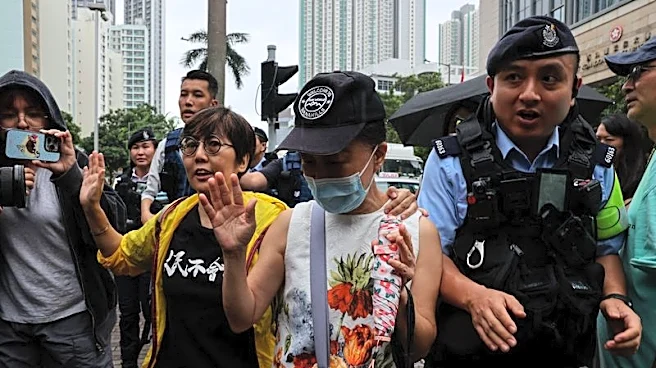
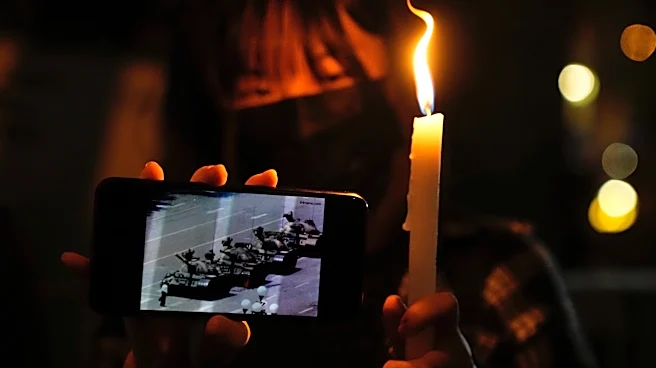
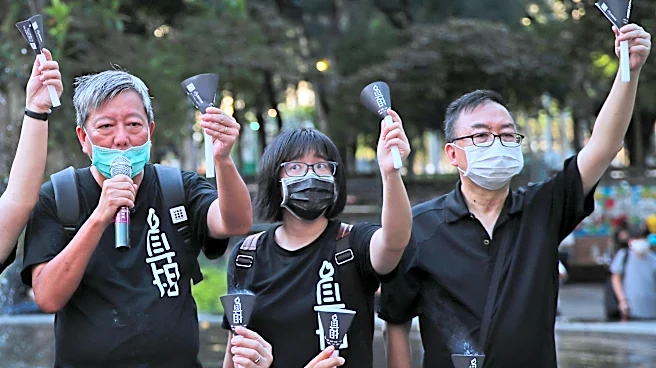
Tang Ngok-kwan, a former organizer of the annual Tiananmen Square crackdown vigil in Hong Kong, continues to discreetly commemorate the 1989 event despite the imprisonment of his colleagues and the disbandment of their organizing group. Tang's fellow
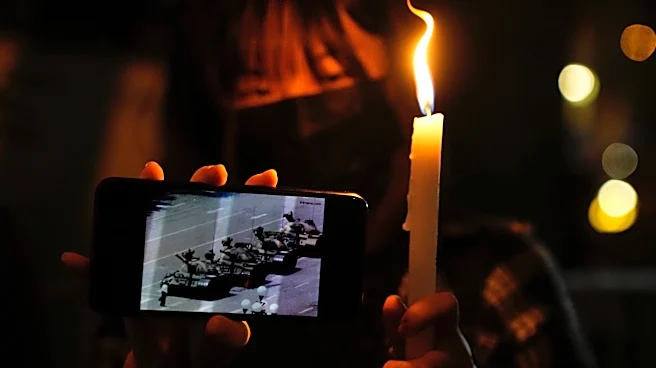
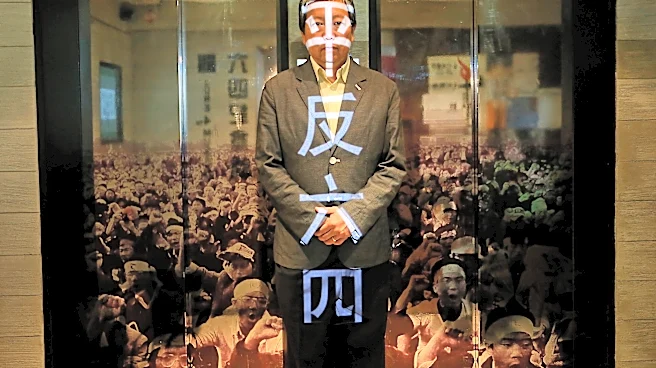
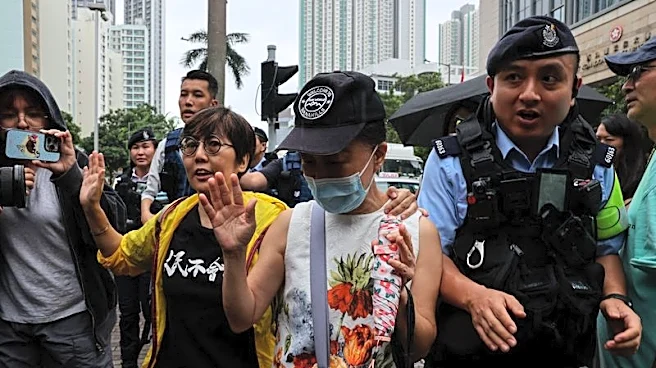
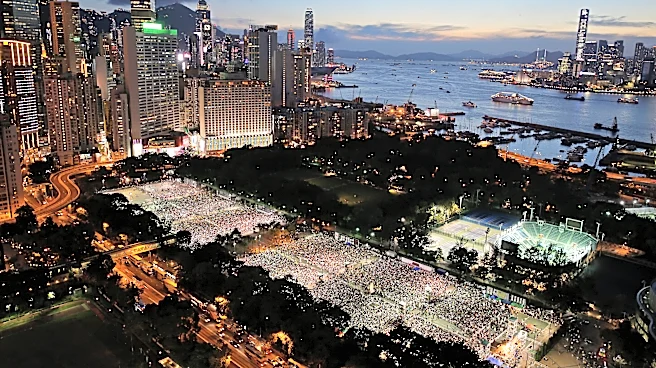
activists were convicted under a Beijing-imposed national security law for inciting subversion, facing potential prison terms of up to 10 years. The annual candlelight vigil, which once drew tens of thousands, has been banned since 2020, initially citing public health concerns during the COVID-19 pandemic. Tang visits former commemoration sites, such as Victoria Park and university campuses where statues once stood, to quietly remember the victims. He expressed feeling wronged by the convictions of his colleagues and noted a sense of wariness surrounding any mention of the former alliance. Tang's personal acts of remembrance include bowing at Victoria Park, reading victims' names, and visiting sites where commemorative sculptures were removed.
Why It's Important?
This situation highlights the significant erosion of civil liberties and political freedoms in Hong Kong following the implementation of the National Security Law. The convictions of vigil organizers and the suppression of public commemoration for the Tiananmen Square crackdown demonstrate a clear shift in Hong Kong's political landscape, moving away from its previous status as a bastion of free expression within China. For the U.S., this development is important as it underscores concerns about human rights and democratic values in a key global financial hub. The crackdown impacts international perceptions of Hong Kong's autonomy and rule of law, potentially influencing foreign investment, diplomatic relations, and the operations of U.S. businesses and citizens in the region. The silencing of dissent and historical remembrance also raises broader questions about the future of open societies in the face of authoritarian pressures.
What's Next?
Tang Ngok-kwan is expected to continue his quiet acts of remembrance, adapting to the increasingly restrictive environment in Hong Kong. The legal battles for his former colleagues, such as Lee Cheuk-yan and Chow Hang-tung, will proceed, with their sentences and appeals potentially setting further precedents for national security cases. Authorities are likely to maintain strict controls over public gatherings and expressions of dissent, particularly around sensitive anniversaries. The ongoing suppression of commemorative activities suggests a continued effort to erase public memory of the Tiananmen crackdown in Hong Kong. International observers and human rights organizations will likely continue to monitor the situation, issuing reports and statements that could influence diplomatic pressure on Beijing regarding Hong Kong's autonomy and human rights record.
Beyond the Headlines
The quiet acts of remembrance by individuals like Tang Ngok-kwan represent a form of cultural and historical resistance in the face of state-imposed amnesia. The removal of statues and the banning of vigils are not merely political acts but attempts to control historical narratives and collective memory. This struggle over memory has profound implications for Hong Kong's identity and its future generations, who may grow up with a sanitized version of history. The 'pathological' attention to detail Tang exhibits, such as counting steps to a courthouse, symbolizes the deep psychological impact of living under such restrictions and the subtle ways individuals find to assert their agency. This situation also raises ethical questions about the responsibility of international communities to support human rights and historical truth in regions where they are under threat.