


What's Happening?
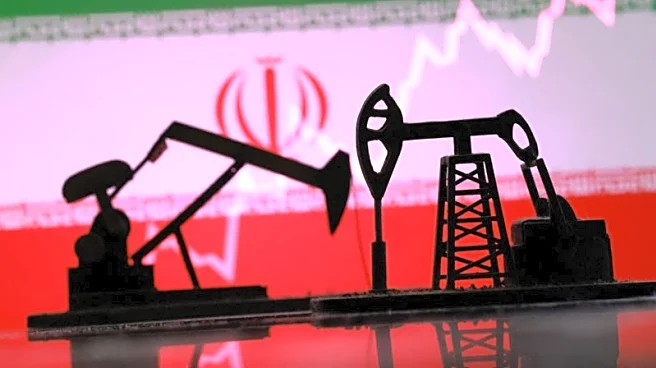
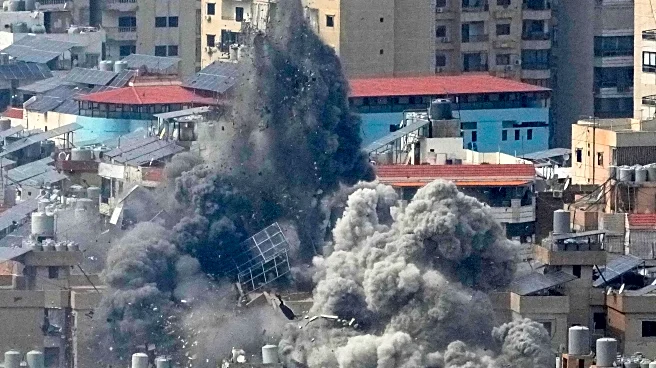
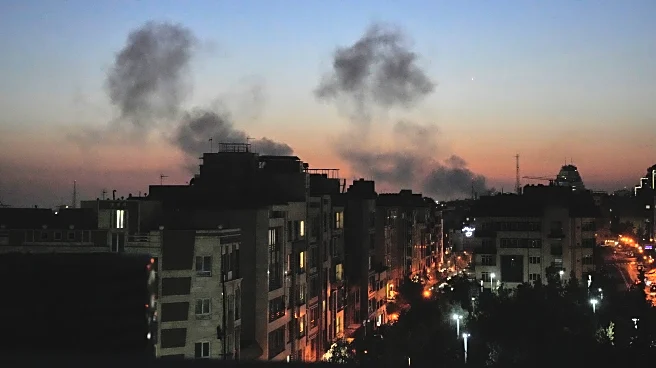
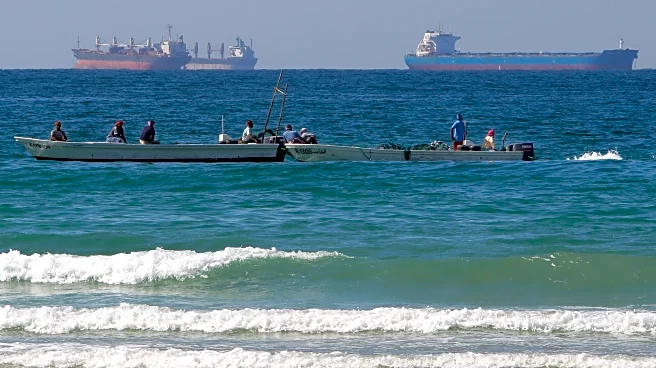
Gas prices in the United States have surged following President Donald Trump's military intervention in Iran, with the average cost of a gallon of regular gasoline rising by 34 cents to $3.32. The conflict has disrupted oil production and shipping in the Persian
Gulf, with analysts warning of further price increases. The situation has been exacerbated by Iran's drone attacks on energy infrastructure in the region. Qatar's energy minister has warned that continued hostilities could halt oil production in the Gulf, potentially driving oil prices to $150 per barrel. This escalation mirrors the economic impact seen during Russia's invasion of Ukraine in 2022.
Why It's Important?
The rising gas prices have significant implications for the U.S. economy, affecting consumers and industries reliant on fuel. Higher transportation costs could lead to increased prices for goods and services, impacting inflation and consumer spending. The conflict's continuation without a diplomatic resolution could strain global energy markets, leading to broader economic instability. The situation also highlights vulnerabilities in energy infrastructure and the geopolitical risks associated with oil dependency. The U.S. administration's handling of the crisis will be crucial in mitigating economic fallout and maintaining energy security.
What's Next?
The U.S. government may need to explore diplomatic solutions to de-escalate the conflict and stabilize oil markets. Potential measures include offering political risk insurance to shipping companies or providing military escorts for tankers. However, these actions may not be sufficient to prevent further price hikes. The administration's stance on Iran and its impact on global energy markets will likely face scrutiny from both domestic and international stakeholders. The economic pressure from rising energy costs could influence U.S. foreign policy decisions and domestic political dynamics, particularly with upcoming elections.