





What's Happening?
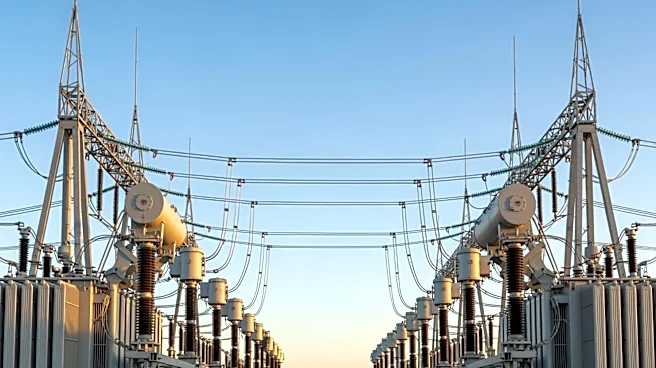
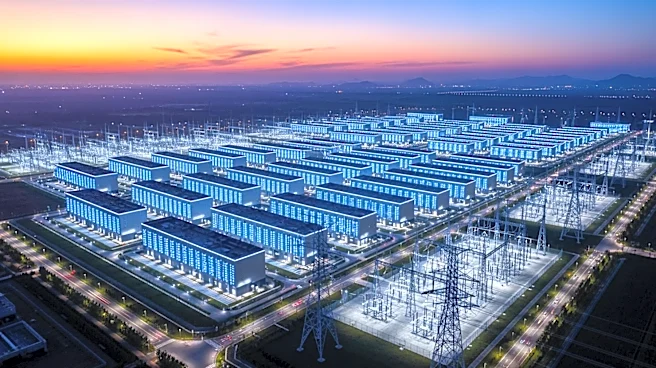
The rapid expansion of hyperscale data centers is significantly impacting power infrastructure in the United States. These facilities, which can require 300-600 MW of electrical capacity, are prompting utilities to reconsider their long-term generation
and transmission planning. Analysts predict that global data center power consumption could exceed 1,000 TWh annually by the early 2030s, driven by the growth of artificial intelligence and digital services. This surge in demand is creating challenges such as regional grid stress, interconnection queue delays, and transformer supply constraints. Utilities are now exploring behind-the-meter solutions, including small-scale nuclear reactors and hydrogen fuel cells, to meet the growing power needs of these data centers.
Why It's Important?
The development of hyperscale data centers is reshaping the landscape of power infrastructure, highlighting the need for innovative solutions to meet increasing energy demands. These centers are crucial for supporting the digital economy, but their power requirements pose significant challenges for utilities and grid operators. The shift towards behind-the-meter solutions reflects a broader trend of decentralizing power generation to enhance grid resilience and efficiency. This transformation has implications for energy policy, infrastructure investment, and environmental sustainability, as stakeholders seek to balance the benefits of digital growth with the need for reliable and sustainable power sources.
What's Next?
As the demand for hyperscale data centers continues to grow, utilities and developers will need to collaborate on innovative solutions to address power constraints. This may involve expanding generation capacity, enhancing transmission networks, and deploying advanced technologies for grid management. Policymakers will also play a critical role in shaping the regulatory framework to support these developments while ensuring environmental and community considerations are addressed. The success of these efforts will depend on the ability to integrate diverse energy sources and technologies into a cohesive and sustainable power infrastructure.