





What's Happening?
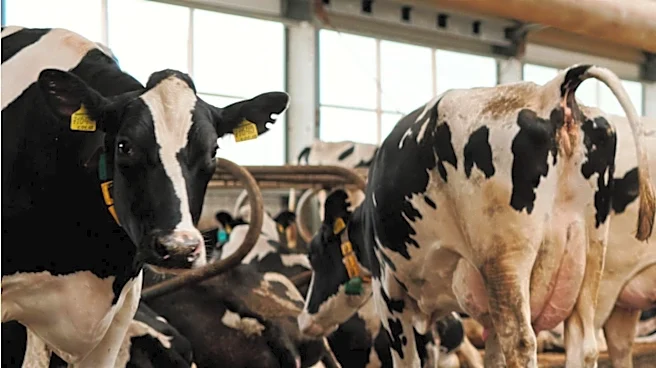
The Wisconsin Department of Agriculture, Trade and Consumer Protection (DATCP), a state agency under Gov. Tony Evers, has ordered a licensed Grade A dairy farm in Walworth County, Grassway Organics, to cease operations or face significant penalties. Dairy
farmer Chaz Self and his wife Megan, who operate Grassway Organics, are accused of illegally selling raw milk. DATCP is seeking a $10,000 forfeiture, an additional $50 per day in fines, and a suspended license until a hearing scheduled for May 2027. The farm's business model involves distributing raw milk to individuals they describe as bona fide owners of the operation, not retail customers. While Wisconsin law permits part-owners of a dairy farm to consume the farm's raw milk, it prohibits direct sales to the public. DATCP contends that purchasing a farm share solely to obtain raw milk constitutes a sham ownership and an illegal sale, a claim Grassway Organics disputes, arguing their members are genuine owners under an exception that the state has never clearly defined.
Why It's Important?
This dispute highlights a significant conflict between state regulatory bodies and small-scale agricultural producers, particularly concerning raw milk sales and the interpretation of existing laws. The substantial fines and the prolonged suspension period, coupled with a hearing nearly a year and a half away, pose an existential threat to Grassway Organics, a first-generation dairy farm. This case could set a precedent for how 'bona fide ownership interest' is defined and enforced in Wisconsin, potentially impacting other farms operating under similar cooperative models. The legal battle also raises questions about due process, as the farm argues DATCP is enforcing its findings before a judge has heard the case. The broader implications touch upon consumer choice regarding raw milk, the economic viability of small farms facing stringent regulations, and the balance between public health concerns and agricultural freedom. The declining number of dairy farms in Wisconsin further underscores the pressure on these businesses.
What's Next?
Grassway Organics has filed a lawsuit and moved for a temporary restraining order, arguing that DATCP is prematurely enforcing its findings. The farm's milk license remains suspended, and the daily fines continue to accrue until the merits hearing, which is not scheduled until May 24-26, 2027. This lengthy delay means the farm faces ongoing financial strain and potential closure before its case is fully heard. The outcome of the lawsuit and the eventual administrative hearing will be crucial in determining the farm's future and could influence regulatory interpretations for other dairy farms in Wisconsin. Public support, as evidenced by a GoFundMe campaign that has already exceeded $50,000, indicates significant community interest and potential for broader advocacy for small farms and raw milk access. The case may also prompt calls for clearer legislative definitions regarding farm ownership and raw milk distribution.
Beyond the Headlines
This situation delves into deeper issues surrounding food freedom, regulatory overreach, and the survival of small, independent agricultural businesses in a landscape increasingly dominated by larger operations. The lack of a clear definition for 'bona fide ownership interest' by DATCP creates ambiguity that can be exploited or misinterpreted, leading to such conflicts. This case reflects a broader tension between traditional farming practices and modern regulatory frameworks, often driven by public health concerns. While pasteurization is widely promoted for safety, proponents of raw milk argue for its nutritional benefits and the right to choose. The legal battle also highlights the power imbalance between state agencies and individual farmers, where the financial and legal resources of the state can overwhelm small businesses. The long-term implications could include a further decline in small dairy farms, reduced consumer access to niche agricultural products, and increased pressure for legislative clarity on food production and distribution laws.