




What's Happening?
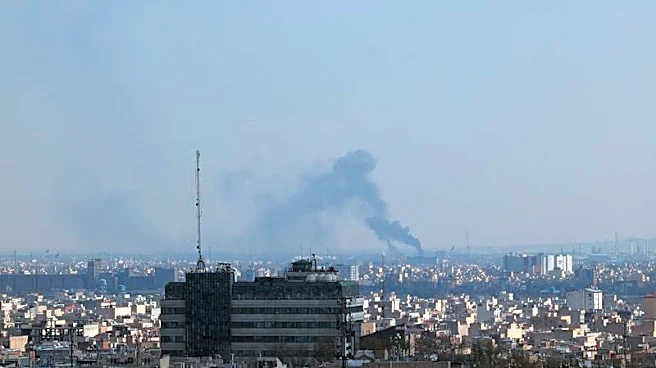
Lebanon's economy minister has expressed uncertainty regarding the country's inclusion in a ceasefire agreement between the U.S. and Iran, as Israeli strikes on Hezbollah targets in Lebanon continue. The ceasefire, brokered with the help of Pakistan,
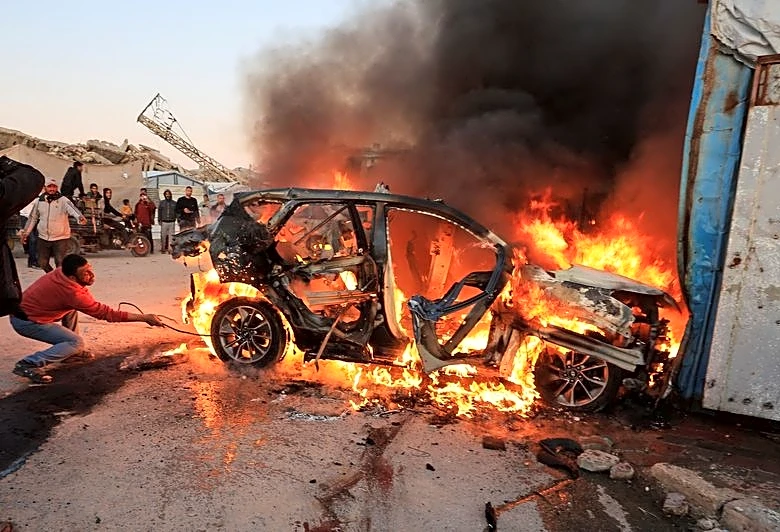
was announced to include Lebanon, according to Pakistani Prime Minister Shehbaz Sharif. However, Israeli Prime Minister Benjamin Netanyahu's office contradicted this, stating that the ceasefire does not apply to Lebanon. The ongoing conflict has resulted in significant humanitarian and economic setbacks for Lebanon, with over 1.1 million people displaced and substantial damage to the country's economy.
Why It's Important?
The ambiguity surrounding Lebanon's status in the ceasefire highlights the complexities of Middle Eastern geopolitics and the challenges of implementing peace agreements in the region. The continued Israeli strikes exacerbate Lebanon's humanitarian crisis and economic instability, which could have broader implications for regional security and international relations. The situation underscores the need for clear communication and cooperation among involved parties to prevent further escalation and to support Lebanon's recovery efforts.
What's Next?
Lebanon is seeking confirmation of its status in the ceasefire agreement, with hopes that it will be included to halt hostilities. The international community, including France and the United Nations, is calling for Lebanon's inclusion in the ceasefire to prevent further humanitarian and economic damage. The outcome of these diplomatic efforts will be crucial in determining the future stability of the region and Lebanon's path to recovery.