








What's Happening?
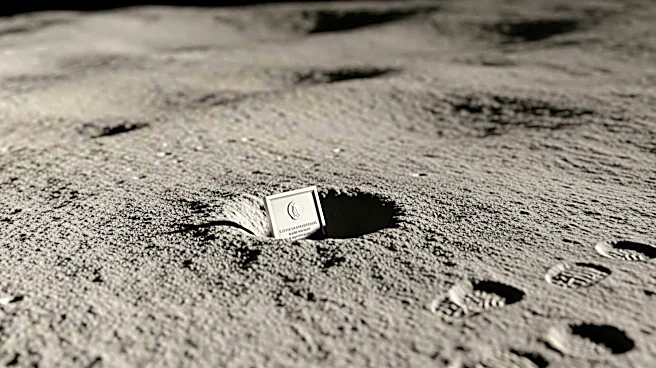
In August 1971, Apollo 15 commander David Scott placed a small aluminum figurine and a plaque on the Moon to honor 14 astronauts and cosmonauts who died in the space race. This gesture, known as the 'Fallen Astronaut,' was kept secret until the crew returned
to Earth. The memorial includes names of eight Americans and six Soviets, reflecting a politically sensitive acknowledgment during the Cold War. Scott had quietly cleared the gesture with senior NASA officials, but it was not part of the official mission plan and was only revealed post-mission.
Why It's Important?
The 'Fallen Astronaut' memorial represents a significant moment of international solidarity and remembrance during a period of intense geopolitical rivalry. It highlights the human cost of space exploration and the shared sacrifices made by astronauts and cosmonauts. The inclusion of Soviet names alongside American ones was a delicate political act, reflecting a broader recognition of shared human endeavors beyond nationalistic competition. This gesture underscores the potential for space exploration to transcend earthly conflicts and foster a sense of global unity.
What's Next?
As NASA and other space agencies plan future lunar missions, the legacy of the 'Fallen Astronaut' may influence how historical sites on the Moon are preserved and respected. With upcoming missions under the Artemis program, there is potential for renewed interest in the Apollo landing sites, including the memorial. Discussions about protecting these sites as part of humanity's shared heritage could gain momentum, ensuring that future generations recognize the historical and cultural significance of these early space exploration efforts.
Beyond the Headlines
The 'Fallen Astronaut' raises questions about the ethics of leaving personal memorials on extraterrestrial bodies and the role of art in space. It also highlights the challenges of balancing personal expression with official mission objectives in highly regulated environments like space missions. The story of the memorial's creation and subsequent controversy over commercial replicas reflects broader tensions between artistic intent and commercial interests, as well as the complexities of authorship and recognition in collaborative endeavors.