



What's Happening?
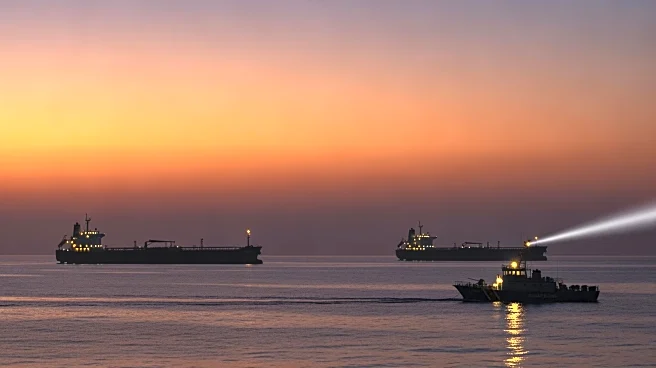
Oil prices increased by over 1% following an advisory from the U.S. Department of Transportation for U.S.-flagged vessels to avoid Iranian territory while traveling through the Strait of Hormuz and Gulf of Oman. This advisory comes amid historical risks
of Iranian forces boarding vessels in the region. The advisory has renewed concerns about potential oil supply disruptions, as a significant portion of global oil consumption passes through the Strait of Hormuz.
Why It's Important?
The advisory and subsequent rise in oil prices highlight the ongoing geopolitical tensions between the U.S. and Iran, which have significant implications for global oil markets. The Strait of Hormuz is a critical chokepoint for oil transportation, and any disruptions could impact global oil supply and prices. The situation underscores the fragile nature of international relations in the region and the potential economic consequences of escalating tensions.
What's Next?
The U.S. and Iran are expected to continue indirect talks, with both sides expressing a willingness to engage in dialogue. However, the presence of U.S. warships in the region and Iran's threats to strike U.S. bases if attacked add complexity to the situation. Investors and stakeholders will closely monitor developments, as any escalation could further impact oil prices and global markets.