







What's Happening?
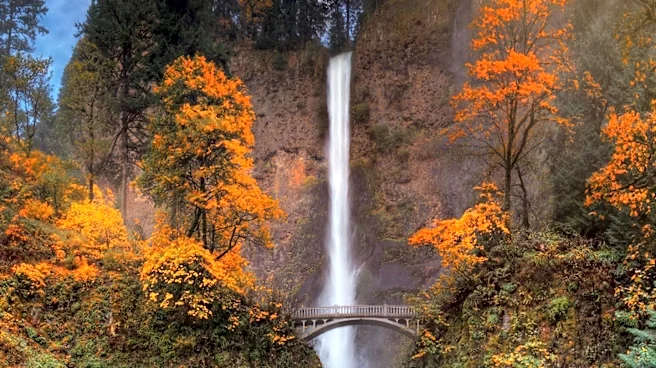
Oregon Governor Tina Kotek has announced a pause on the use of state-owned land for new data centers until July 1, 2027. This directive, shared via X with an AI-generated image, aims to prevent data centers from imposing undue costs on Oregon residents
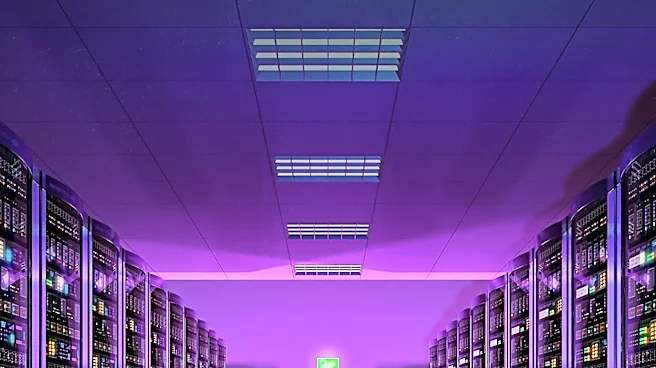
while the state conducts a comprehensive study of the industry's impacts. As part of this action, Governor Kotek also terminated a pending sale of 32 acres of state property intended for a proposed $5 billion data-center development. The Governor acknowledged that her executive authority does not extend to a broader statewide moratorium on data-center construction, but her action targets transactions involving public land controlled by the state. This move positions Oregon as part of a growing national trend where state and local governments are seeking to slow, restrict, or attach new conditions to data-center construction, driven by concerns over their environmental and economic footprint.
Why It's Important?
This decision by Governor Kotek is significant as it highlights increasing governmental scrutiny over the rapid expansion of the data center industry, particularly concerning its resource consumption and potential cost burdens on local populations. Data centers are energy-intensive, requiring substantial electricity and water, and their proliferation can strain existing infrastructure and utility grids. By pausing new developments on state land, Oregon aims to assess these impacts and develop policies that ensure the industry does not shift costs onto residents. This action could influence other states to adopt similar 'state-land-only' approaches or broader moratoriums, potentially slowing the growth of the tech infrastructure sector in regions where resources are already stretched. The use of an AI-generated image to announce the decision also underscores a paradox: the very technology that requires vast data center infrastructure is being used to communicate restrictions on its expansion, raising questions about the sustainable development of AI and related technologies.
What's Next?
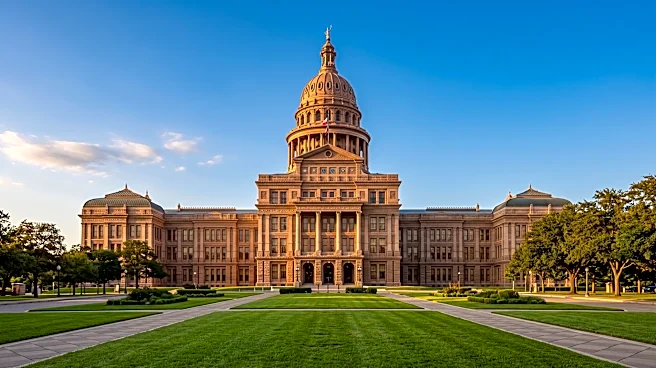
The pause on state land use for data centers in Oregon will remain in effect until July 1, 2027, during which time state officials will study the industry's effects on electricity, water, and public infrastructure. This period is expected to inform future state policies and regulations regarding data center development. While Governor Kotek lacks the authority for a broader statewide ban, the findings from this study could lead to legislative proposals aimed at imposing more comprehensive restrictions or conditions on data center construction across Oregon. Other states, such as New York, Texas, and Pennsylvania, have already implemented various measures, including permitting moratoriums and new development standards, indicating a potential for a more coordinated national approach or a patchwork of state-specific regulations. The outcome of Oregon's study and subsequent actions could serve as a model or a cautionary tale for other jurisdictions grappling with the environmental and economic implications of the burgeoning data center industry.
Beyond the Headlines
The Oregon Governor's decision to pause data center development on state land, and the use of an AI-generated image to announce it, reveals deeper tensions surrounding technological advancement and environmental sustainability. The irony of using AI to restrict the infrastructure that powers AI highlights a growing societal debate about the true cost of digital innovation. As artificial intelligence becomes more integrated into daily life, the demand for data centers, and consequently, for energy and water, will only increase. This situation forces a critical examination of the ethical and environmental responsibilities of tech companies and governments. It also brings to light the need for transparent and sustainable practices in the tech sector, pushing for innovations that minimize ecological footprints. The broader movement to regulate data centers reflects a shift in public and governmental perception, moving from viewing them solely as economic boons to recognizing their significant environmental and social impacts, potentially leading to a re-evaluation of how technological growth is balanced with community well-being and resource conservation.