







What's Happening?
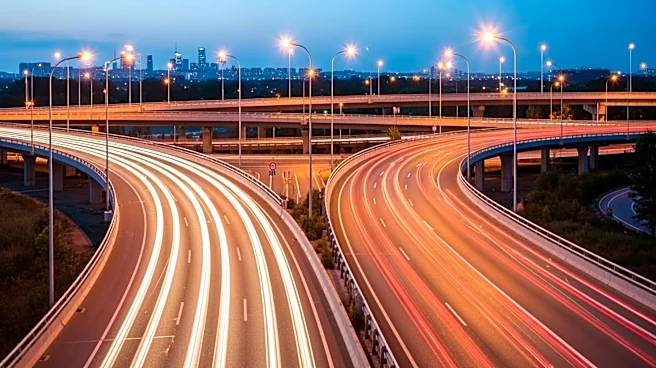
The U.S. Department of Transportation and the Federal Highway Administration have initiated a new program called 'Freedom to Drive' aimed at addressing the severe traffic congestion in Chicago, which is reported to be the worst in the United States according
to the 2025 Global Traffic Scorecard by INRIX. This initiative seeks to mitigate the economic impact of traffic congestion not only in Chicago but across the country. The program is part of a broader effort to improve traffic flow and reduce the time commuters spend on the road.
Why It's Important?
Traffic congestion has significant economic implications, including increased fuel consumption, lost productivity, and heightened stress levels among commuters. By addressing these issues, the 'Freedom to Drive' program could lead to improved economic efficiency and quality of life for residents. The initiative may also set a precedent for other cities facing similar challenges, potentially leading to nationwide improvements in traffic management and urban planning.
What's Next?
The success of the 'Freedom to Drive' program will likely depend on the collaboration between federal, state, and local governments, as well as the engagement of the public and private sectors. Future steps may include the implementation of new traffic management technologies, infrastructure improvements, and public awareness campaigns to encourage alternative transportation methods.