





What's Happening?
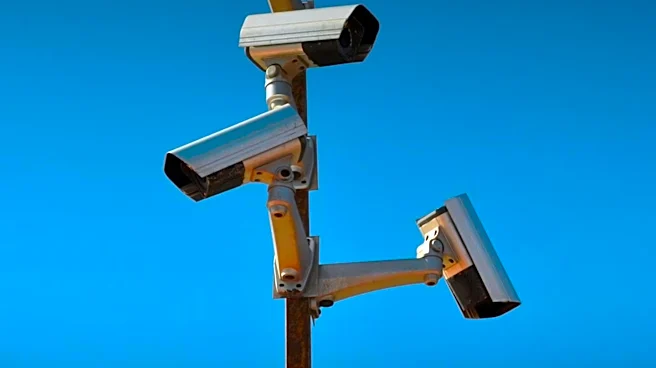
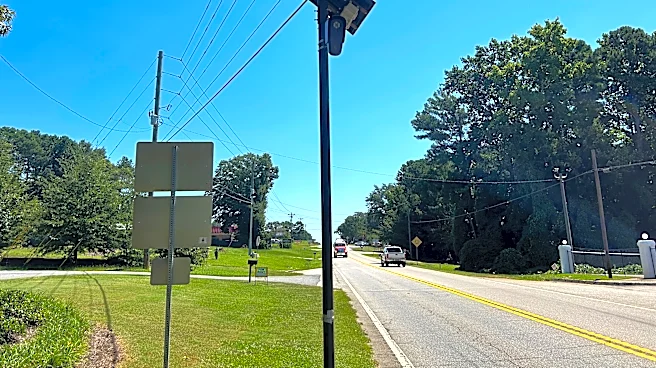
A majority of the Dallas City Council has indicated support for retaining Flock Safety's network of license-plate readers, viewing them as a critical tool for crime solving and suspect tracking. This nonbinding vote occurred during a debate over amendments
to the city manager's proposed $5.6 billion budget, specifically rejecting Council member Adam Bazaldua's proposal to cut $1.5 million for the Flock program. The council's stance comes despite recent developments, including Governor Greg Abbott's pause on state funding for the technology, which led Dallas police to announce the deactivation of 321 cameras this month. Dallas police had previously stated that nearly half of the city's camera network was supported by state grant funding. Council members who supported the cameras cited their value in police investigations and public safety, while acknowledging concerns about privacy and the need for safeguards. The final budget vote is scheduled for September 16.
Why It's Important?
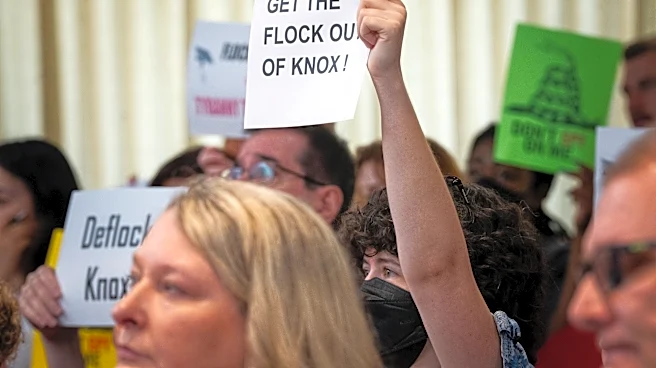
The Dallas City Council's signal of support for Flock Safety cameras underscores the ongoing tension between public safety priorities and privacy concerns in urban governance. Despite Governor Abbott's directive to halt state funding and growing scrutiny from privacy advocates, a majority of council members believe the AI-powered license-plate readers are too valuable to discontinue. This decision highlights the perceived effectiveness of these cameras in combating crime, as articulated by Dallas police and council members like Cara Mendelsohn, chair of the public safety committee. The debate also reveals differing perspectives within the council, with some members like Adam Bazaldua raising concerns about data retention, access by outside agencies, and potential privacy infringements. The outcome of the final budget vote will significantly impact the future of surveillance technology in Dallas and could influence how other cities balance law enforcement needs with civil liberties.
What's Next?
The Dallas City Council is expected to cast a final vote on the budget on September 16. While Wednesday's nonbinding vote suggests that the $1.5 million in city funding for Flock cameras will likely remain in the proposed budget, the overall future of the city's camera network remains uncertain due to the governor's pause on state funding. This pause has already prompted Dallas police to deactivate nearly half of the city's cameras. The council's decision will determine the extent of local financial commitment to the Flock program, but the state funding component remains a critical variable. Further discussions and potential negotiations with state officials regarding the funding pause could also influence the long-term viability and scale of the camera network. Additionally, the ongoing public debate and scrutiny from privacy advocates may continue to pressure both city and state officials to re-evaluate policies surrounding such surveillance technologies.
Beyond the Headlines
The Dallas City Council's decision reflects a broader national conversation about the role of technology in policing and the balance between security and individual rights. The strong support from some council members, who likened cutting funding to 'defund the police 2.0,' indicates the deeply entrenched belief in the efficacy of these tools for public safety. Conversely, concerns raised about data retention, potential for misuse, and access by external entities like immigration enforcement highlight the complex ethical and legal challenges posed by widespread surveillance. The situation also brings to light the influence of vendors like Flock Safety in shaping public safety strategies and the need for robust oversight mechanisms. As cities increasingly adopt AI-powered technologies, the Dallas case serves as a microcosm of the ongoing struggle to define appropriate boundaries for government surveillance in a democratic society, potentially leading to calls for more comprehensive state or federal regulations.