


What's Happening?
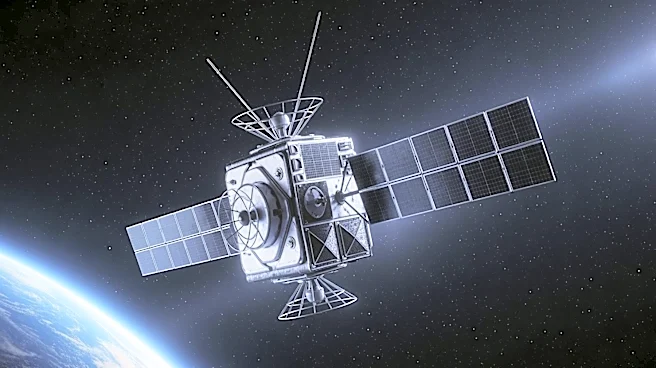
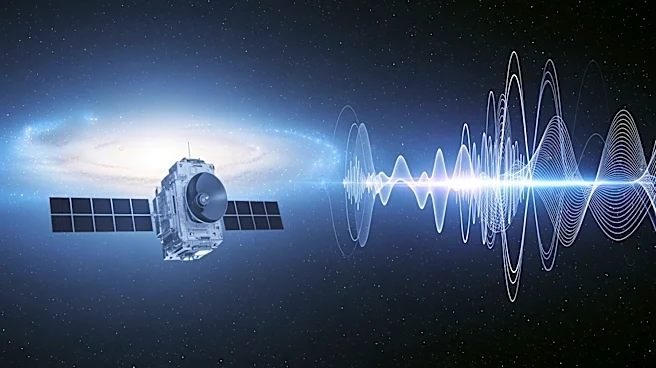
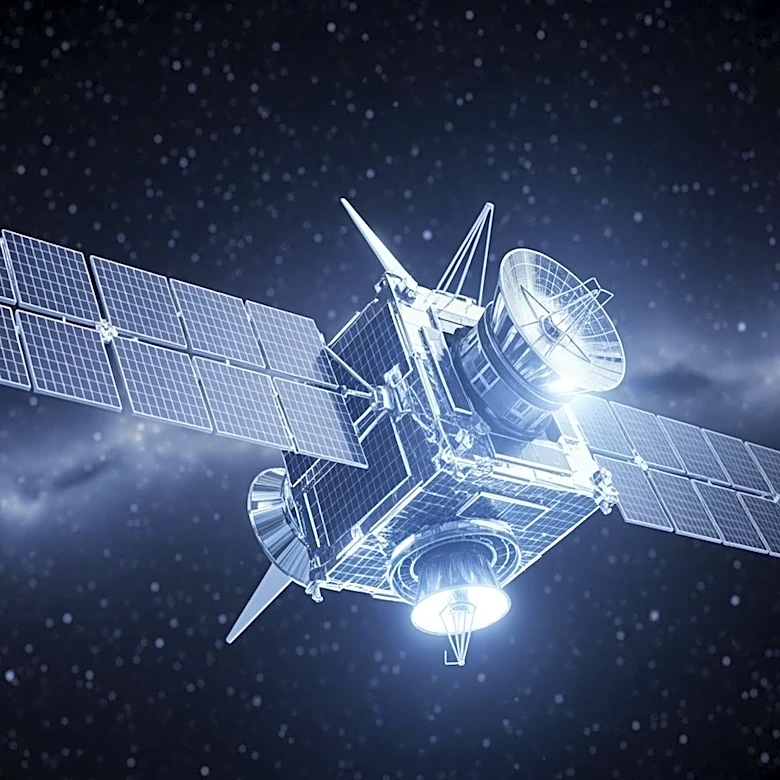
The Vela satellites, initially launched in the 1960s to detect nuclear tests, inadvertently recorded gamma-ray bursts from deep space, leading to a new branch of astrophysics. These satellites were equipped with x-ray, gamma-ray, and neutron detectors
to monitor compliance with the Partial Test Ban Treaty. On July 2, 1967, Vela 4 recorded a gamma-ray burst, which was later confirmed not to be a nuclear test. This discovery was not immediately recognized, as the first scientific paper on the subject was published in 1973. The Vela satellites' findings eventually led to the understanding that gamma-ray bursts are among the most violent explosions in the universe, often associated with dying stars and merging neutron stars.
Why It's Important?
The accidental discovery by the Vela satellites has had a profound impact on astrophysics, providing insights into cosmic phenomena that were previously unknown. This has expanded our understanding of the universe, particularly in the study of gamma-ray bursts, which are now known to be massive explosions occurring billions of light-years away. The discovery has also highlighted the importance of being open to unexpected data, as it can lead to significant scientific advancements. The Vela satellites' findings have paved the way for further research and exploration in high-energy astrophysics, influencing the development of new technologies and methodologies in the field.