






What's Happening?
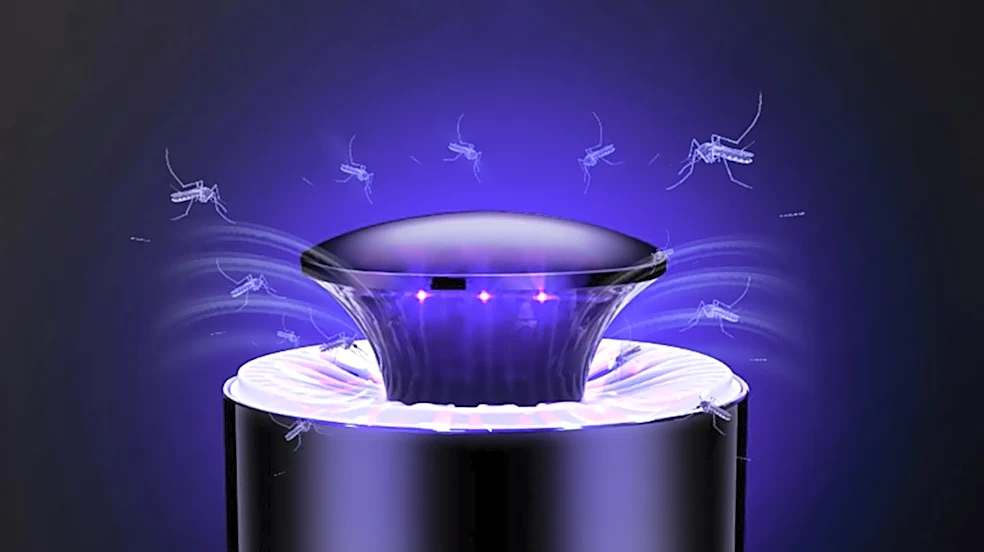
Researchers at the University of South Florida (USF) have developed an innovative 'smart' mosquito trap that utilizes artificial intelligence (AI) to identify dengue-spreading mosquitoes with 98% accuracy in real time. This technology aims to significantly
enhance mosquito surveillance efforts, as traditional methods involve manually identifying trapped mosquitoes, a process that is time-consuming and often leads to the discarding of a large percentage of samples. Professor Sriram Chellappan from USF's Bellini College of AI, Cybersecurity and Computing, highlighted that out of approximately 3,500 mosquito species globally and 45 in Florida alone, only a few spread diseases. The new trap, which costs around $100 to produce using 3D printing, captures mosquitoes, photographs them, and then uses AI to identify their genus and species. Associate Professor Ryan Carney from USF's Department of Integrative Biology emphasized the device's ability to provide instantaneous results, a stark contrast to the several days it takes for manual identification by entomologists.
Why It's Important?
This development is crucial for public health in the U.S., particularly in states like Florida where mosquito-borne diseases such as dengue are a concern. The ability to rapidly and accurately identify disease-carrying mosquitoes allows for more targeted and efficient control measures, potentially preventing outbreaks and reducing the human case count of illnesses like dengue. Current manual identification processes are slow and inefficient, meaning that by the time disease-carrying mosquitoes are identified, the opportunity for early intervention may have passed. The USF smart trap offers a cost-effective and scalable solution that can be deployed widely, providing real-time data to local health agencies. This proactive approach can help protect communities from the health and economic burdens associated with mosquito-borne diseases, ensuring a quicker response to potential threats and safeguarding public well-being.
What's Next?
The USF researchers have recently secured another patent for their smart trap equipment and plan to begin deploying these traps across Florida and potentially globally in the coming year. This deployment will allow for practical application of the technology in real-world scenarios, providing valuable data for mosquito control districts. The goal is to enable counties and agencies to receive immediate alerts if dengue or other mosquito-borne diseases are being spread, allowing them to identify potential hotspots and implement targeted interventions more effectively. The widespread adoption of this technology could revolutionize mosquito surveillance and control, leading to a more efficient and proactive public health response to mosquito-borne threats.
Beyond the Headlines
The integration of AI into public health tools like the smart mosquito trap represents a significant shift in how environmental and health threats are managed. This technology not only offers a practical solution to a pressing public health issue but also highlights the growing potential of AI in fields beyond traditional tech sectors. The cost-effectiveness of the 3D-printed traps makes them accessible for broader deployment, potentially democratizing advanced surveillance capabilities for communities with limited resources. Furthermore, this innovation could pave the way for similar AI-driven solutions in other areas of public health and environmental monitoring, fostering a more data-driven and responsive approach to disease prevention and control. The ethical implications of AI in surveillance, while not directly addressed in this context, will become increasingly relevant as such technologies become more pervasive.