






What's Happening?
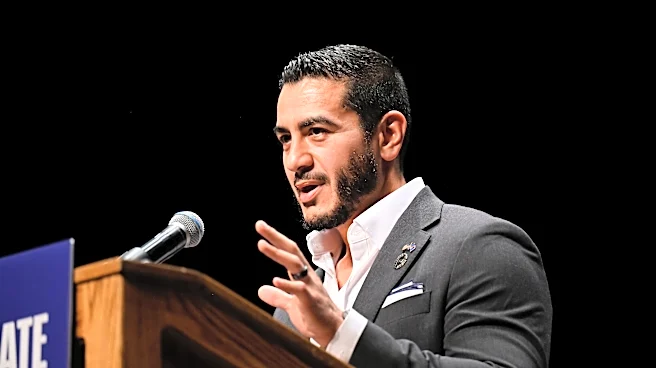
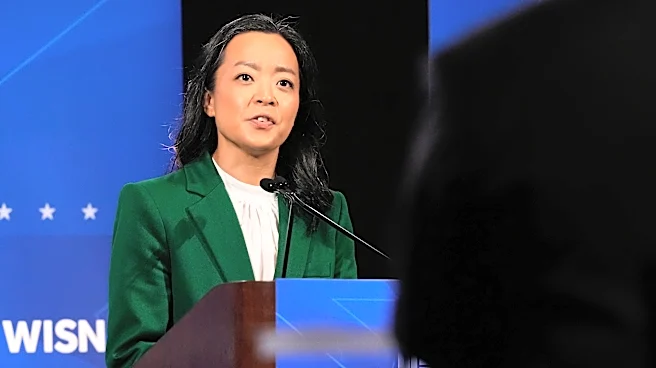
In Michigan, the Democratic Party is facing internal divisions as it prepares for the upcoming midterm elections. The race for an open Senate seat has become a focal point, with two millennial candidates representing different wings of the party. Abdul
El-Sayed, an epidemiologist and former health department director, is appealing to progressives with his support for 'Medicare for All' and criticism of corporate influence in politics. His opponent, Haley Stevens, a four-term congresswoman, is running on a more moderate platform, emphasizing her experience and ability to challenge President Trump. The race has become a proxy for broader debates within the Democratic Party, such as establishment versus insurgent and progressive versus moderate ideologies. The outcome of this primary is crucial for Democrats, who need to gain four seats to reclaim the Senate majority, making Michigan's seat pivotal.
Why It's Important?
The Michigan Senate race is significant as it reflects the broader ideological struggles within the Democratic Party. The outcome could influence the party's strategy and direction ahead of the 2028 presidential elections. A victory for El-Sayed might embolden progressive factions, while a win for Stevens could reinforce moderate approaches. The race also highlights the influence of external factors, such as AIPAC's financial support for Stevens, which underscores the role of special interest groups in shaping political campaigns. The stakes are high, as the Democrats' ability to regain control of the Senate could impact legislative priorities and the balance of power in Washington, particularly in countering President Trump's policies.
What's Next?
As the primary approaches, both candidates are intensifying their campaigns to secure voter support. The Democratic Party's leadership, including figures like Governor Gretchen Whitmer and retiring Senator Gary Peters, have endorsed Stevens, while El-Sayed has the backing of progressive leaders like Senator Bernie Sanders and Representative Alexandria Ocasio-Cortez. The primary's outcome will likely influence the party's strategy in the general election against Republican candidate Mike Rogers. Additionally, the race's dynamics could affect voter turnout and engagement, particularly among young and independent voters, which are crucial demographics for the Democrats.
Beyond the Headlines
The Michigan Senate race also raises questions about the Democratic Party's ability to unify its diverse factions. The ideological rift between progressives and moderates could impact the party's cohesion and effectiveness in future elections. Moreover, the race highlights the ongoing debate over the influence of special interest money in politics, particularly regarding foreign policy issues like U.S. support for Israel. The outcome may set a precedent for how the party navigates these complex issues in other battleground states.