






What's Happening?
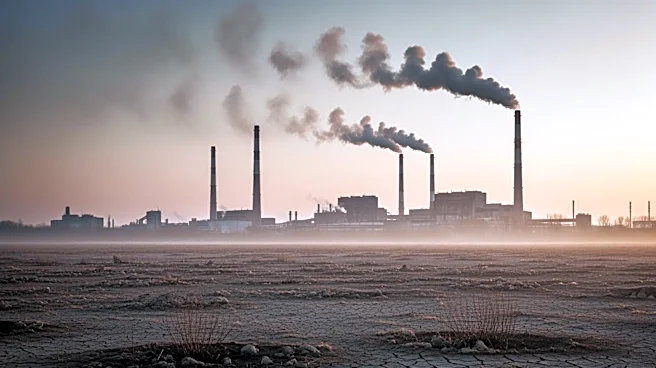
In the JIADA industrial area of Balidih, Bokaro, factories are being accused by local residents of causing significant environmental and health issues. The allegations focus on steel and sponge iron units, which are said to be emitting toxic smoke and ash,
adversely affecting agriculture and public health. Residents from nearby villages, including Barudih and Panjudih, claim that emissions from these industrial units are settling on agricultural fields, reducing crop productivity and soil fertility. Additionally, local water sources are reportedly becoming contaminated, making farming increasingly difficult. The pollution is also linked to a rise in respiratory ailments among children and the elderly. Local political figures, such as Mantu Yadav of the JMM's Bokaro city unit, have warned of potential protests if the situation does not improve. The Jharkhand State Pollution Control Board (JSPCB) is currently investigating these claims.
Why It's Important?
The situation in Bokaro highlights the broader issue of industrial pollution and its impact on local communities. The allegations against the JIADA factories underscore the potential conflict between industrial development and environmental sustainability. If the claims are verified, it could lead to increased scrutiny of industrial practices and regulatory oversight in the region. The health implications for residents, particularly vulnerable groups like children and the elderly, are significant, potentially leading to increased healthcare costs and reduced quality of life. The agricultural impact also poses a threat to local food security and economic stability for farming families. This case could serve as a catalyst for policy changes aimed at balancing industrial growth with environmental protection.
What's Next?
The Jharkhand State Pollution Control Board's investigation into the allegations will be crucial in determining the next steps. If the factories are found to be in violation of environmental regulations, they may face penalties or be required to implement corrective measures. Local political leaders and community groups may increase pressure on authorities to take action, potentially leading to protests or legal challenges. The outcome of this situation could influence future industrial policies in the region, emphasizing the need for sustainable practices. Additionally, there may be calls for increased monitoring and transparency in industrial operations to prevent similar issues in the future.