








What's Happening?
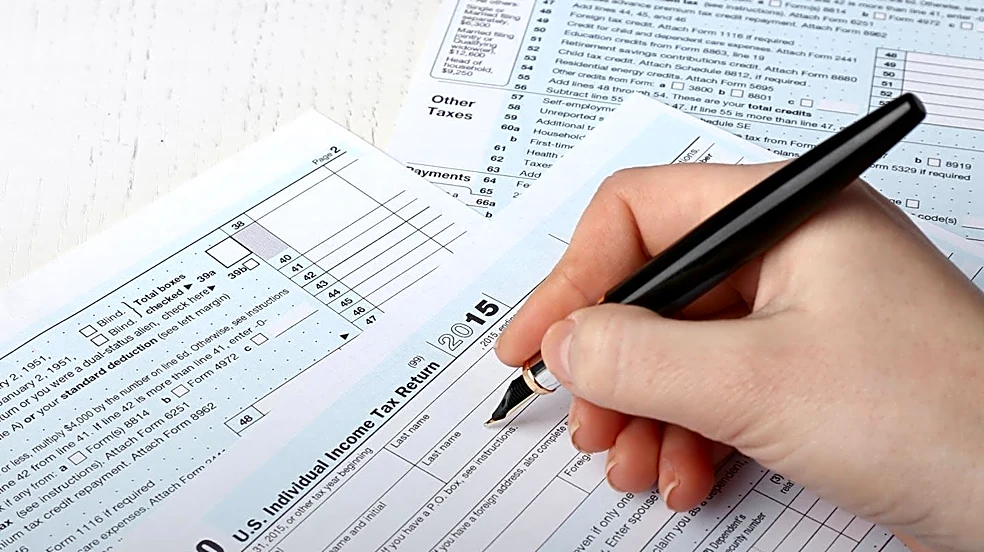
The Internal Revenue Service (IRS) Free File Program (FFP) is a collaborative initiative between the IRS and Free File, Inc. (FFI), a consortium of tax software companies. This program enables eligible taxpayers to electronically file their federal income
tax returns free of charge using guided software provided by participating tax preparation companies. The FFP's primary objective, as outlined in a 2023 memorandum of understanding (MOU), is to enhance the rate of e-filing, particularly among economically disadvantaged populations, through cooperation between the IRS and member companies. The program originated in 2002, following a directive for the IRS to increase e-filed individual returns and leverage private sector expertise. While the FFP aims to provide free e-filing options, participation among eligible taxpayers has historically averaged 3% annually, with a peak of approximately 6% in 2004. In FY2025, about 3.2 million eligible taxpayers utilized the FFP. The current MOU, extended to October 31, 2029, includes provisions to boost taxpayer awareness and prevent participating companies from excluding their Free File pages from internet searches.
Why It's Important?
The IRS Free File Program is significant because it represents a public-private partnership designed to make tax filing more accessible and efficient for millions of Americans. By offering free e-filing services, the program aims to reduce the financial burden of tax preparation, especially for low-income taxpayers, and to lower government processing costs associated with paper returns. The FFP's existence also reflects a long-standing debate about the role of government versus private industry in providing essential services. While proponents highlight cost savings for taxpayers and the government, critics point to low participation rates, potential for taxpayer confusion, and concerns about companies diverting eligible users to paid services. The program's evolution, including the removal of a previous commitment by the IRS not to develop its own direct e-file service, indicates ongoing policy considerations regarding the most effective and equitable ways to facilitate tax compliance for all citizens. The success or shortcomings of the FFP directly impact taxpayer experience, compliance rates, and the overall efficiency of the U.S. tax system.
What's Next?
There is continued congressional interest in evaluating free e-file options for taxpayers, particularly concerning the future of the FFP and the potential for an IRS-run Direct File (DF) program. Although the DF pilot program was suspended for the 2026 filing season due to high costs and limited participation, bills have been introduced in the 119th Congress to either restore the DF program or prohibit the IRS from preparing tax returns through it. The Treasury Department, in a 2025 report, outlined plans to improve the FFP by enhancing awareness, evaluating user experience, and strengthening program oversight. Additional evaluations by the Government Accountability Office (GAO) are also planned to assess the FFP's performance. These ongoing discussions and evaluations will likely shape the future landscape of free tax preparation and filing services in the U.S., potentially leading to reforms in the FFP, the re-evaluation of a direct IRS e-file tool, or a combination of both to better serve taxpayers.
Beyond the Headlines
The debate surrounding the IRS Free File Program and the potential for a government-run direct e-file system touches upon fundamental questions of market competition, consumer protection, and government responsibility. The low participation rates in the FFP, despite its intended benefits, suggest underlying issues such as lack of awareness, complexity, or perceived conflicts of interest with participating private companies. The historical commitment by the IRS not to compete with private tax software providers, and its subsequent removal, highlights the tension between fostering private innovation and ensuring universal access to essential government services. This situation raises ethical considerations about whether private entities, even in partnership with the government, should be the primary gatekeepers for free tax filing, especially when concerns about misleading practices have been raised. Ultimately, the future direction of tax filing services will reflect broader societal values regarding equity, efficiency, and the appropriate balance between public and private sector roles in a digital age.