









What's Happening?
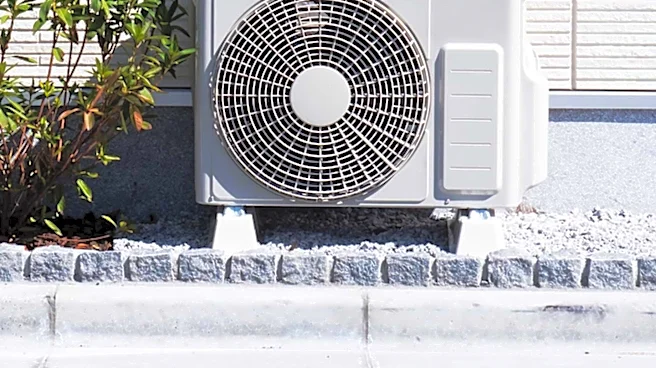
A contributor from the Los Angeles Times discusses the limitations of air conditioning as a sole solution to combat extreme heat. The article highlights the 'air-con divide,' where those who can afford air conditioning are better protected from heat,
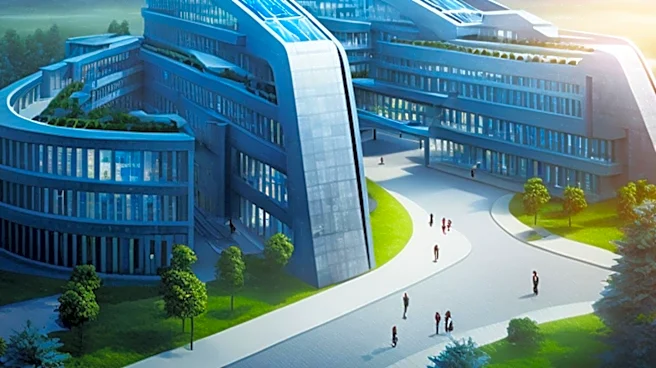
while others suffer. Los Angeles County is attempting to address this by requiring landlords to maintain coolable living spaces. The piece argues for treating cooling as public infrastructure, similar to clean water, rather than a personal purchase. It cites examples from Ahmedabad, India, and Sarawak, Malaysia, where systemic solutions have been implemented to manage heat effectively. The article emphasizes the need for cities to integrate passive cooling and clean energy into their infrastructure to reduce reliance on air conditioning.
Why It's Important?
The discussion on air conditioning highlights a critical public health and infrastructure issue as climate change leads to more frequent and severe heatwaves. The reliance on air conditioning not only creates economic disparities but also strains energy grids, particularly those reliant on fossil fuels, exacerbating environmental issues. By advocating for systemic solutions, the article points to the potential for more equitable and sustainable urban planning. Implementing public infrastructure for cooling could reduce heat-related mortality and morbidity, particularly in vulnerable populations. This approach also aligns with broader climate goals by reducing energy consumption and promoting renewable energy sources.
What's Next?
The article suggests that cities need to enforce cooling standards in rental properties and incorporate passive cooling designs in public buildings. Moving energy grids to renewable sources is also crucial to ensure that cooling solutions do not contribute to further environmental degradation. The piece calls for a shift in policy and planning to prioritize sustainable and equitable solutions to heat management. This could involve legislative changes to support infrastructure development and investment in clean energy technologies. The focus on systemic solutions indicates a need for collaboration between government, industry, and communities to address the challenges posed by rising temperatures.