
What's Happening?
A recent study has explored the potential of placing photovoltaic (PV) systems in coal-mining subsidence areas in Shanxi Province, China. Using the fuzzy DEMATEL-ISM method, researchers examined how various
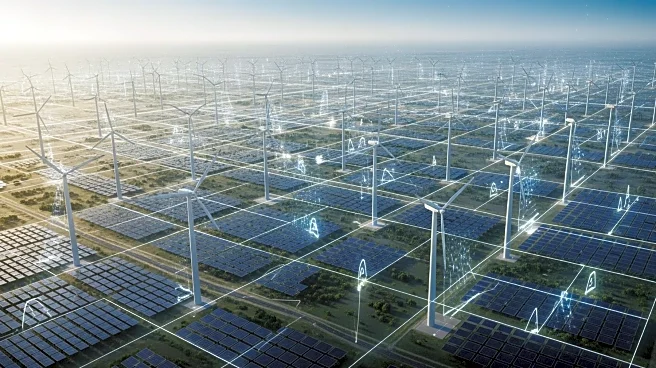
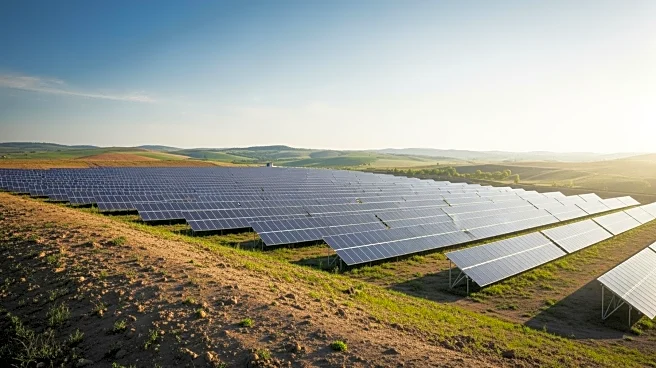
factors influence PV siting decisions, including climatic, geological, economic, social, and policy dimensions. The study found that developing PV projects in these areas can expand renewable energy capacity while aiding in landscape restoration. PV technology, which converts sunlight into electricity, plays a crucial role in reducing carbon emissions. By utilizing degraded land for solar infrastructure, the study suggests that PV systems can improve land-use efficiency and contribute to ecological recovery.
Why It's Important?
The integration of PV systems in coal-mining subsidence areas presents a dual opportunity for renewable energy development and ecological restoration. This approach aligns with global carbon-neutrality and sustainability objectives, offering a practical solution for regions facing land degradation and energy transition challenges. The study highlights the importance of local climate conditions and economic factors in determining the success of PV projects. By addressing these factors, policymakers and investors can optimize renewable energy deployment, reduce costs, and enhance environmental outcomes. The findings provide valuable insights for regions seeking to balance energy demands with ecological and economic considerations.
Beyond the Headlines
The study's implications extend beyond Shanxi Province, offering a model for integrating renewable energy with land restoration in mining-affected regions. By pairing PV deployment with ecological measures, such as soil stabilization and vegetation recovery, the strategy supports biodiversity and land rehabilitation. Policymakers are encouraged to develop supportive frameworks, including financial incentives and targeted assistance, to facilitate PV development on subsidized land. This coordinated approach can enhance the resilience of communities transitioning from resource extraction to sustainable development, contributing to long-term environmental and economic benefits.