




What's Happening?
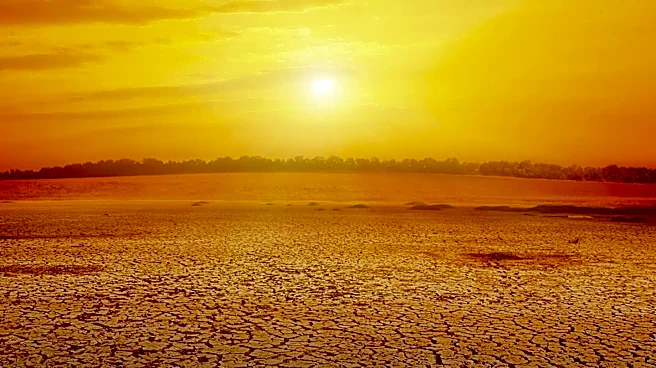
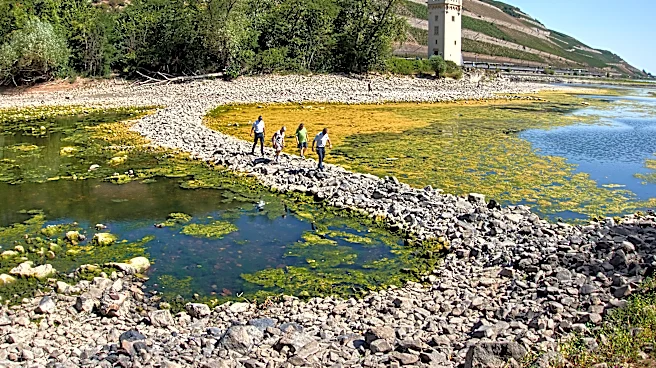
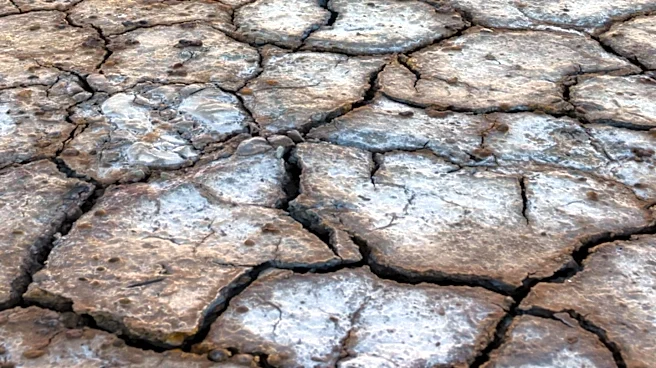
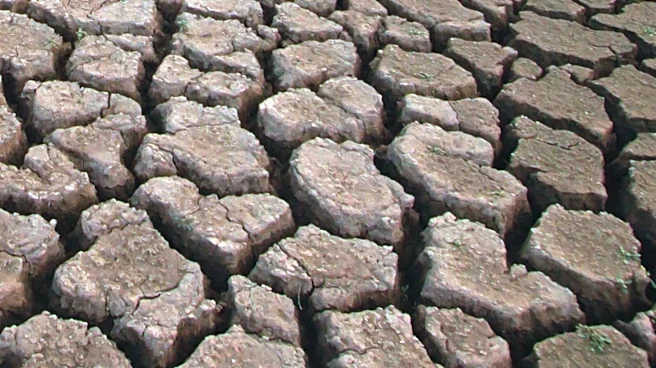
The United Kingdom is currently experiencing a severe drought, with the government declaring that almost three-quarters of England is affected. This announcement follows the driest July on record and the fifth heatwave of the summer. The Environment Agency
reports that 45 million people are now living in drought areas, which is significantly impacting farming and the environment. The Department of Environment, Food and Rural Affairs (DEFRA) has noted that all regions of the country are under pressure regarding water resources, with no area maintaining a 'normal' status. The drought has led to irrigation restrictions for farmers and a hosepipe ban affecting over 27 million people.
Why It's Important?
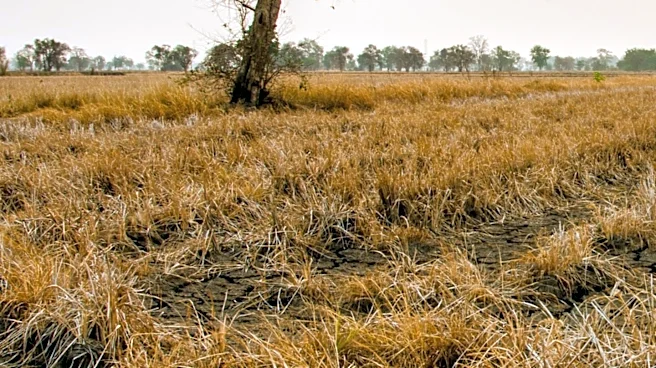
The drought in England is a significant environmental and economic issue, as it affects water availability, agriculture, and the overall ecosystem. Farmers are facing challenges with low crop yields, which could lead to food shortages and increased prices. The situation underscores the broader impacts of climate change, as extreme weather events become more frequent and intense. The drought also highlights the need for sustainable water management practices and policies to mitigate future risks. The restrictions on water use could have long-term implications for both urban and rural communities, affecting daily life and economic activities.
What's Next?
As the drought persists, the UK government may need to implement further measures to manage water resources and support affected communities. This could include additional restrictions, financial aid for farmers, and investments in infrastructure to improve water efficiency. The situation may also prompt discussions on climate change policies and the need for international cooperation to address environmental challenges. Stakeholders, including policymakers, environmental groups, and the public, will likely engage in debates on how to balance economic growth with environmental sustainability.
Beyond the Headlines
The drought in England serves as a reminder of the interconnectedness of environmental and economic systems. It raises ethical questions about resource allocation and the responsibility of governments to protect vulnerable populations. The situation also highlights the cultural significance of water in daily life and the potential for societal shifts towards more sustainable practices. As climate change continues to impact weather patterns, there may be a growing emphasis on innovation and technology to develop adaptive solutions for water management and conservation.