





What's Happening?
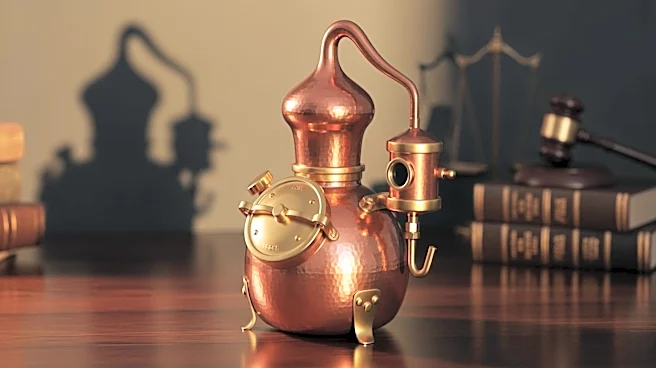
A federal appeals court has sided with hobbyists challenging a 158-year-old federal ban on home distilling of spirits. The Fifth Circuit Court of Appeals ruled that the ban, which criminalizes the production of spirits at home for personal use, oversteps
federal authority. The court found that the statutes in question, 26 U.S.C. §§ 5178(a)(1)(B) and 5601(a)(6), do not function as a tax but rather as a prohibition, which is not justified under Congress's taxing power. The ruling is significant for hobbyists who argue that the ban is unconstitutional and that they should be allowed to distill spirits at home, provided they comply with regulations and pay any applicable taxes.
Why It's Important?
This ruling could have significant implications for the regulation of home distilling in the United States. By challenging the federal government's authority to impose such a ban, the decision may pave the way for changes in how home distilling is regulated, potentially allowing hobbyists to legally produce spirits at home. This could lead to increased interest and participation in home distilling, similar to home brewing of beer and wine, which is already legal. The decision also highlights the ongoing debate over the balance of federal and state powers in regulating personal activities and could influence future legislative and judicial actions in related areas.
What's Next?
The ruling is currently binding only in the states covered by the Fifth Circuit, but it sets a precedent that could influence other courts and potentially lead to changes in federal law. The decision may prompt Congress to reconsider the current statutes and explore new regulatory frameworks that allow for home distilling under certain conditions. Additionally, the ruling could encourage other hobbyists and advocacy groups to challenge similar federal restrictions, potentially leading to broader changes in the regulation of alcohol production in the U.S.