





What's Happening?
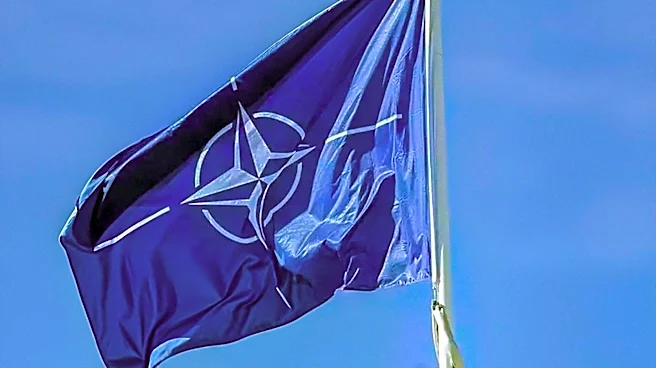
President Trump has reiterated his stance that security alliances in the Middle East and Europe are 'bad deals' for the United States. He argues that the U.S. provides protection without receiving fair compensation for its efforts. This perspective aligns
with his previous criticisms of NATO and other international agreements, where he has called for allies to contribute more financially. Trump's comments come amidst ongoing geopolitical tensions and debates over the U.S.'s role in global security arrangements.
Why It's Important?
President Trump's remarks highlight ongoing debates about the U.S.'s international commitments and the financial burden of maintaining global security alliances. His stance could influence future U.S. foreign policy, potentially leading to renegotiations of existing agreements or a reevaluation of the U.S.'s role in international security. This approach may appeal to domestic audiences concerned about defense spending but could strain relationships with traditional allies. The comments also reflect broader discussions about burden-sharing and the sustainability of current security frameworks in a changing geopolitical landscape.
What's Next?
If President Trump's views gain traction, there could be increased pressure on allied nations to contribute more to shared security efforts. This might lead to renegotiations of defense agreements or shifts in military commitments. Allies may respond by reassessing their own defense strategies and exploring alternative security arrangements. The U.S. could also face diplomatic challenges as it seeks to balance domestic priorities with international obligations. The outcome of these discussions could significantly impact global security dynamics and the future of international alliances.