
What's Happening?
In New South Wales, Australia, four shark incidents occurred within 48 hours, raising concerns about the influence of land-based activities on marine life. The incidents followed a heavy rainstorm that
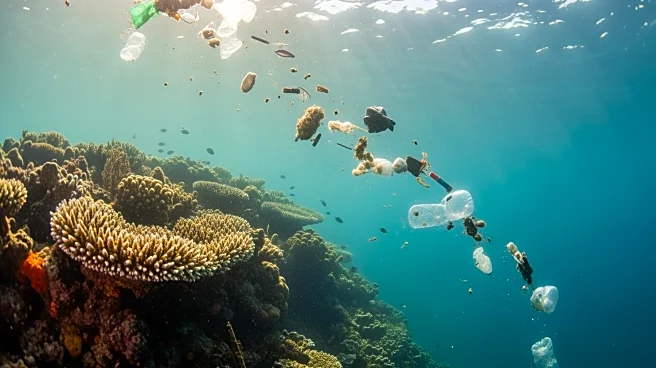
washed pollutants and waste into coastal waters, potentially affecting shark behavior. Emerging evidence suggests that pollutants, pesticides, and parasites from land can alter marine environments, influencing where and when sharks and humans interact. This highlights the need to consider human impacts on ocean health and develop policies that protect both public safety and marine ecosystems.
Why It's Important?
These shark incidents underscore the interconnectedness of land and marine ecosystems, emphasizing the need for comprehensive environmental management. The presence of pollutants and altered water conditions can disrupt marine life, potentially increasing the likelihood of shark encounters. Understanding these dynamics is crucial for developing effective strategies to mitigate risks and protect both human and marine life. This situation calls for a shift in focus from blaming sharks to addressing the root causes of environmental degradation, promoting sustainable practices that benefit both ecosystems and communities.
What's Next?
To reduce the risk of future shark incidents, authorities may implement temporary beach closures and issue warnings following heavy rainfall. Long-term solutions involve improving stormwater management and wastewater infrastructure to stabilize coastal conditions and enhance ocean health. Continued research into the effects of pollutants on marine life is essential to inform policy decisions and develop effective conservation strategies. By addressing these issues upstream, policymakers can help mitigate the impact of human activities on marine ecosystems and reduce the frequency of shark encounters.