
What's Happening?
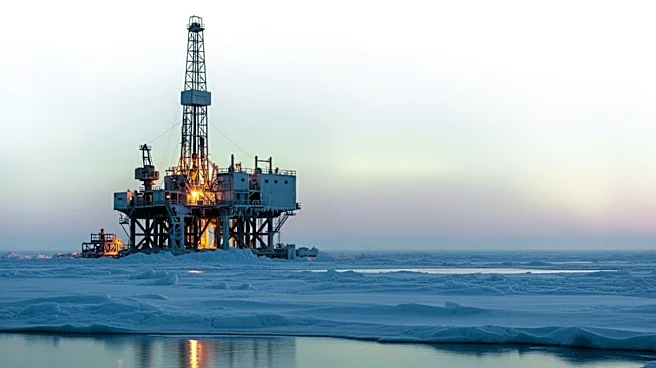
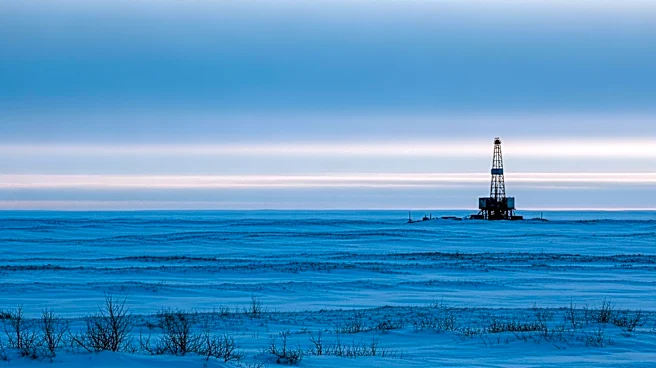
In a recent oil and gas lease sale for Alaska's Arctic National Wildlife Refuge, only two corporations participated, resulting in a modest outcome. The Alaska Industrial Development and Export Authority
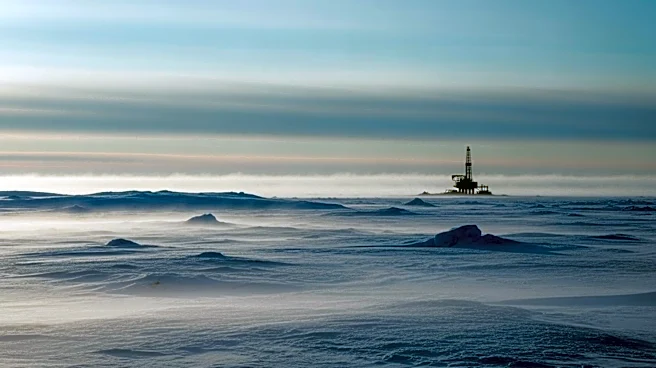
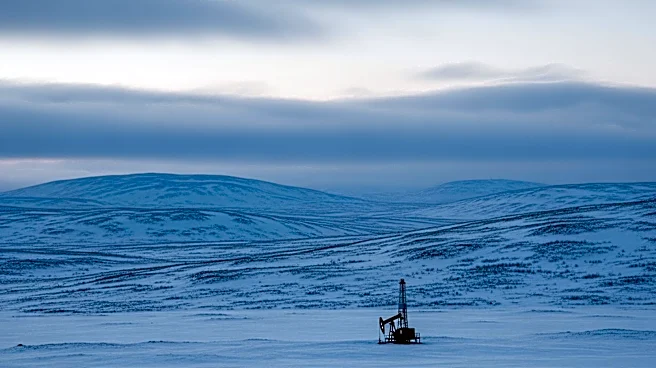
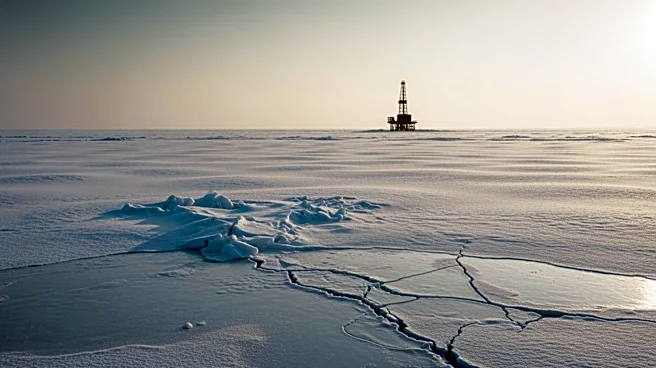
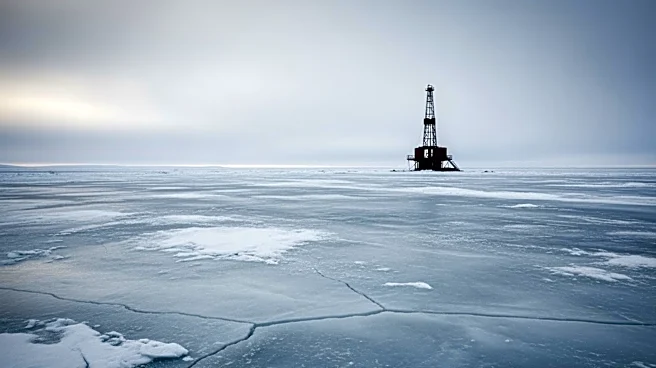
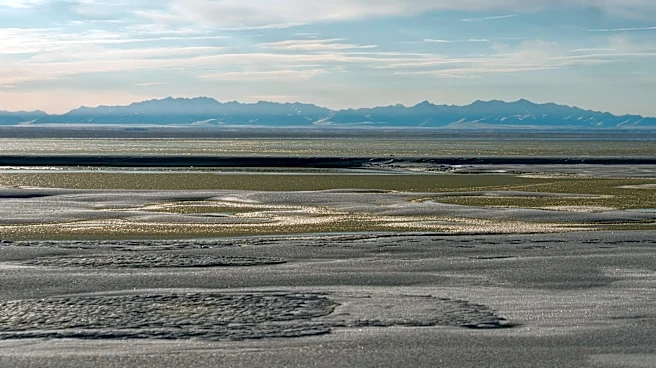
and Hex Energy LLC secured leases on a total of five tracts, covering approximately 72,000 acres out of the nearly 690,000 acres offered. The winning bids amounted to $3.7 million. This development marks the beginning of a new era of leasing and exploration in the region, according to Kevin Pendergast, the state director of the U.S. Bureau of Land Management. Despite the limited interest, the sale has sparked discussions about the potential for development in this pristine area, which is considered sacred by the Gwich'in people due to its significance for caribou calving.
Why It's Important?
The lease sale in Alaska's Arctic National Wildlife Refuge is significant as it highlights the ongoing debate between economic development and environmental conservation. Proponents of the sale argue that it could boost U.S. oil production, create jobs, and generate revenue. However, opponents, including the Gwich'in people, emphasize the environmental and cultural impacts, citing the area's ecological importance and the potential disruption to wildlife. The sale also reflects broader policy directions under the Trump administration, which has prioritized opening more lands for drilling. The outcome of this sale could influence future energy policies and the balance between resource extraction and environmental protection.
What's Next?
The future of oil and gas exploration in Alaska's Arctic National Wildlife Refuge remains uncertain, with pending litigation challenging the leasing program. Environmental groups and indigenous communities are likely to continue their efforts to protect the region from development. Meanwhile, the federal government and industry stakeholders may pursue further exploration and development activities, depending on legal outcomes and market conditions. The situation will require careful navigation of environmental, cultural, and economic interests, with potential implications for U.S. energy policy and indigenous rights.
Beyond the Headlines
The lease sale in Alaska's Arctic National Wildlife Refuge raises deeper questions about the ethical and cultural dimensions of resource extraction in sensitive areas. The Gwich'in people's opposition underscores the importance of respecting indigenous rights and preserving cultural heritage. Additionally, the sale highlights the challenges of balancing economic growth with environmental stewardship, particularly in the context of climate change and its impact on Arctic ecosystems. These considerations may shape future policy decisions and public discourse on energy development in protected areas.