
What's Happening?
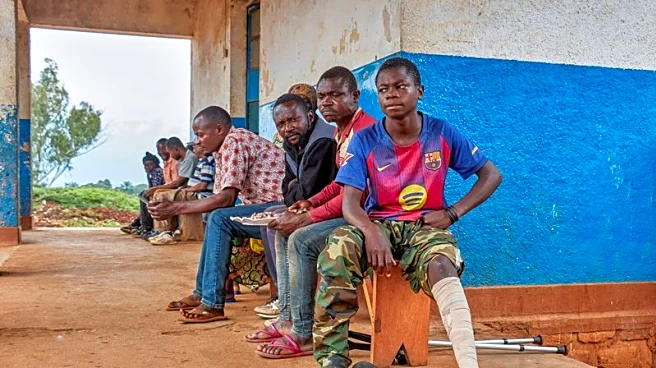
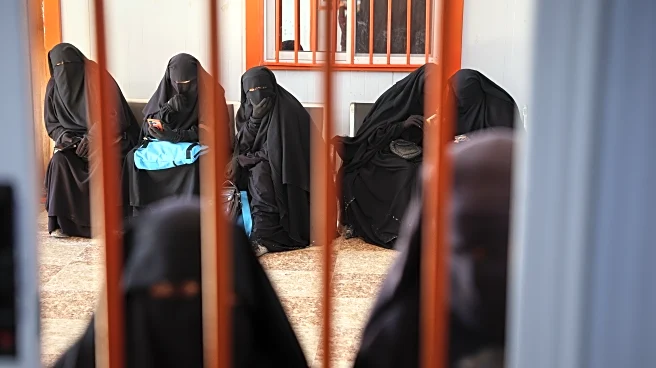
Thousands of refugees fleeing violence in the Democratic Republic of Congo (DRC) are facing dire conditions in Burundi. The conflict in eastern DRC, particularly in South Kivu province, has displaced hundreds
of thousands of people. The UN's refugee agency, UNHCR, reports that children and women, including pregnant women, are among the most affected, with many going without food for days. Medical charity MSF has raised concerns about the risk of epidemic diseases such as cholera and measles. The UN's World Food Programme (WFP) is increasing aid to over 210,000 vulnerable people, but services in the region are on the brink of collapse.
Why It's Important?
The humanitarian crisis in Burundi highlights the severe impact of ongoing conflicts in the DRC on regional stability and public health. The influx of refugees is straining Burundi's resources, leading to overcrowded camps with limited access to food and water. The situation poses a significant risk of disease outbreaks, which could further exacerbate the humanitarian crisis. The international community's response, including increased aid and diplomatic efforts, is crucial to addressing the immediate needs of the refugees and finding a long-term solution to the conflict.
What's Next?
The WFP has called for urgent funding to continue providing food aid over the next three months. The situation requires coordinated international efforts to ensure adequate humanitarian assistance and to support peace initiatives in the region. The US-brokered peace deal between the Congolese and Rwandan governments, although not involving the M23 rebels, represents a step towards resolving the conflict. Continued diplomatic pressure and support for peace processes are essential to prevent further displacement and to stabilize the region.