








What's Happening?
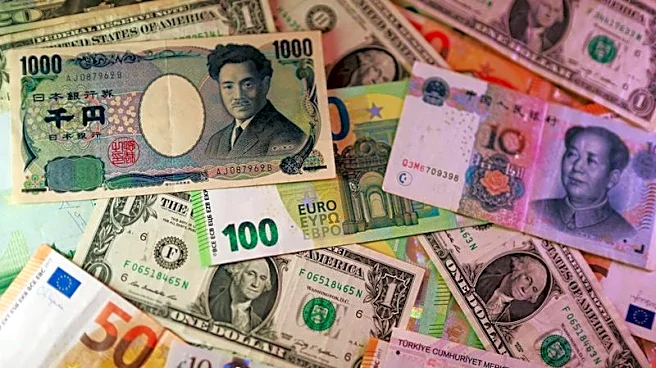
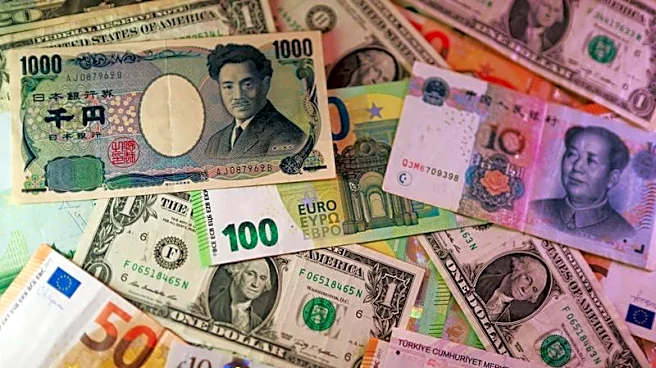
The United States and Japan recently conducted a coordinated intervention to stabilize the yen, marking the first such action since 1998. This move coincided with a significant rise in US 30-year yields, the highest monthly yield close in over 20 years.
The intervention reflects concerns about the impact of rising long-term yields on financial conditions, including the cost of servicing federal debt and the implications for private-sector investment. The decision underscores the interconnectedness of global financial markets and the challenges posed by fiscal constraints and technological advancements.
Why It's Important?
The intervention by the US and Japan highlights the growing importance of international cooperation in managing financial stability. Rising yields can tighten financial conditions, affecting economic growth and investment. The move also underscores the challenges faced by policymakers in balancing fiscal sustainability with the need to support economic growth. The intervention's timing, amid stable equity markets and low credit spreads, suggests a proactive approach to managing potential risks in the global financial system.
What's Next?
The coordinated intervention may prompt further discussions on international monetary policy cooperation and the role of central banks in managing financial stability. Policymakers will likely continue to monitor the impact of rising yields on economic conditions and explore additional measures to support financial stability. The evolving relationship between fiscal policy, monetary policy, and technological advancements will remain a key focus for stakeholders in the global financial system.