
What's Happening?
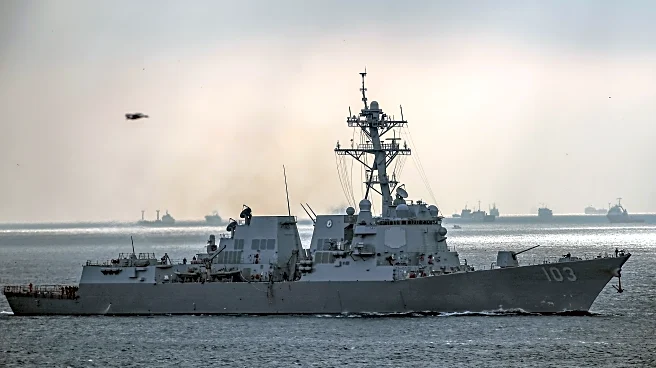
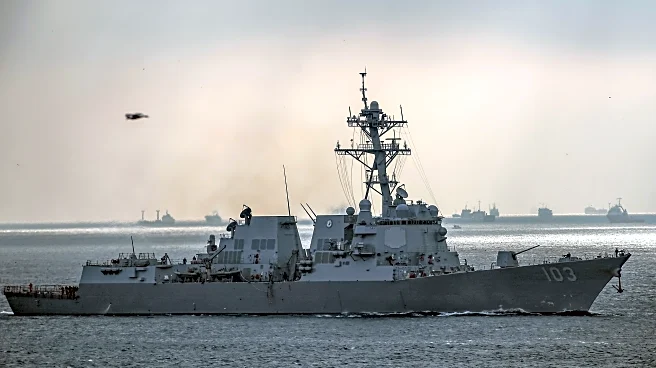
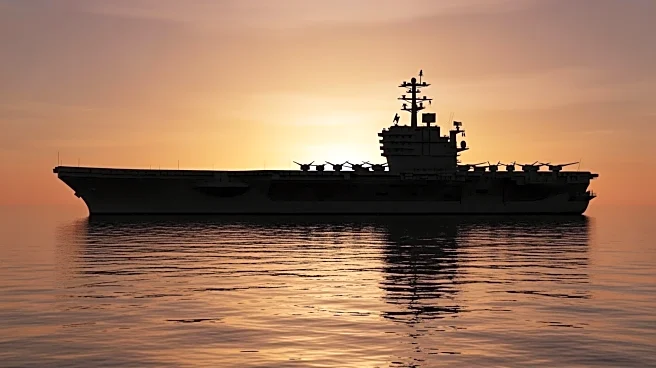
The USS Gerald R. Ford, the world's largest aircraft carrier, has been redeployed from the Caribbean Sea to the Middle East. This move places a second U.S. carrier strike group in the region as President Trump intensifies pressure on Iran. The Ford will
join the USS Abraham Lincoln carrier strike group in the Persian Gulf, significantly expanding the American naval presence near Iran. The reassignment extends the Ford's already lengthy deployment and delays its scheduled maintenance in Virginia. The duration of the Ford's stay in the Middle East remains uncertain.
Why It's Important?
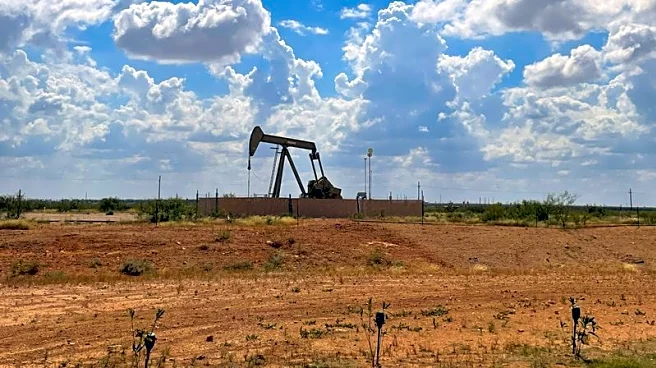
The redeployment of the USS Gerald R. Ford to the Middle East underscores a strategic shift in U.S. military focus towards the Persian Gulf, reflecting heightened tensions with Iran. This move is part of a broader effort by President Trump to exert pressure on Tehran over its nuclear program and regional activities. The increased naval presence could serve as a deterrent to Iranian actions in the region, potentially impacting global oil markets and regional security dynamics. The delay in the Ford's maintenance also highlights the operational demands placed on U.S. naval forces.
What's Next?
The extended deployment of the USS Gerald R. Ford may lead to further adjustments in U.S. military strategy in the Middle East. The presence of two carrier strike groups could prompt reactions from Iran and other regional actors, potentially influencing diplomatic and military engagements. The U.S. Navy will need to manage the operational readiness of its fleet, balancing the demands of extended deployments with maintenance schedules. The situation may also affect U.S. relations with allies in the region, as they navigate the implications of increased military activity.