






What's Happening?
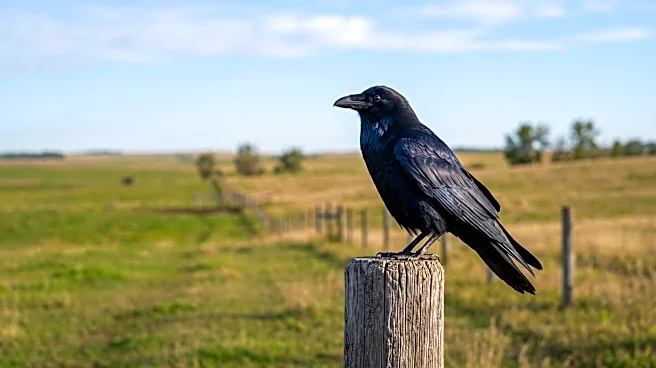
The U.S. Fish and Wildlife Service (FWS) has introduced a new streamlined statewide permitting approach to help state wildlife and agriculture agencies manage conflicts involving common ravens. This initiative aims to provide a more efficient pathway
for addressing these conflicts while maintaining federal oversight. Common ravens are protected under the Migratory Bird Treaty Act, but the FWS can authorize limited lethal take when non-lethal measures are insufficient. This authorization is typically granted to address impacts on sensitive species, such as the greater sage-grouse, and to mitigate damage to agricultural operations, including livestock. The new approach allows a state agency to obtain a single statewide depredation permit, under which it can then issue subpermits to eligible landowners or other parties. This system is designed to reduce administrative burdens and expedite responses to raven-related issues across multiple locations within a state. The FWS Director, Brian Nesvik, stated that this new method reduces unnecessary federal administrative burden and offers states greater flexibility in managing wildlife conflicts. This builds on a successful pilot program previously implemented for black vultures.
Why It's Important?
This streamlined permitting approach is important because it addresses a long-standing challenge for state and local wildlife managers and agricultural stakeholders. By allowing state agencies to obtain a single statewide depredation permit and issue subpermits, the FWS is significantly reducing the bureaucratic hurdles traditionally associated with managing common raven conflicts. This change will enable quicker and more localized responses to situations where ravens impact sensitive species or agricultural livelihoods. For farmers and ranchers, this means a more accessible and efficient process for protecting their livestock and crops from raven depredation. For conservation efforts, particularly those focused on species like the greater sage-grouse, it provides a more agile tool for mitigating threats posed by raven populations. The initiative also signifies a shift towards empowering state and local authorities, recognizing their on-the-ground understanding of specific challenges. This could lead to more effective and tailored wildlife management strategies, fostering better collaboration between federal, state, and local entities in conservation and agricultural protection.
What's Next?
Following the announcement, eligible state entities are expected to begin applying for these statewide depredation permits. The FWS will continue to work with partners, including the raven working group and the Western Association of Fish and Wildlife Agencies, to monitor the effectiveness of this new approach and identify any further solutions for raven conflicts. State wildlife and agriculture agencies will be responsible for establishing their own criteria and processes for issuing subpermits to landowners and other parties, ensuring that authorized take remains appropriate and sustainable. The success of this program could lead to similar streamlined approaches for managing conflicts with other protected species, potentially expanding the model beyond common ravens. Stakeholders, including agricultural communities and conservation groups, will likely observe the implementation closely to assess its impact on both raven populations and the species and resources they affect.
Beyond the Headlines
This policy shift reflects a broader trend in environmental governance towards decentralization and increased collaboration between federal and state agencies. By delegating more authority to states, the FWS is acknowledging the diverse ecological and socio-economic contexts across the U.S. and the need for flexible, localized solutions. This approach could foster greater trust and cooperation between federal regulators and local communities, who often bear the direct impacts of wildlife conflicts. However, it also places a greater responsibility on state agencies to ensure that subpermitting processes are robust, transparent, and adhere to conservation principles. The ethical implications of authorizing lethal take, even when limited, will remain a point of discussion among animal welfare advocates and conservationists. The long-term success of this initiative will depend on careful monitoring, adaptive management, and continued dialogue among all stakeholders to balance conservation goals with agricultural and ecological needs.