



What's Happening?
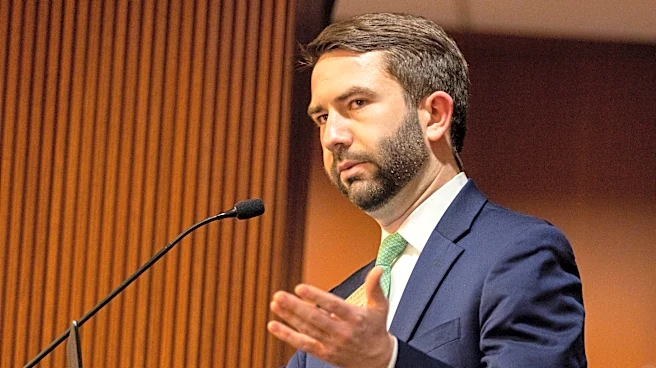
The U.S. Supreme Court justices expressed skepticism over the Trump administration's attempt to overturn the constitutional guarantee of birthright citizenship. During the arguments, Solicitor General John Sauer presented historical sources to support
the administration's position that the 14th Amendment's citizenship clause should only apply to children of legal immigrants. The justices, including Elena Kagan and John Roberts, questioned the validity of these sources, noting their obscurity and the potential impact on millions of people. The case centers on President Trump's executive order aimed at denying citizenship to children born in the U.S. to parents without legal status.
Why It's Important?
This case is pivotal as it challenges the long-standing interpretation of the 14th Amendment, which has been a cornerstone of U.S. citizenship law for over a century. A ruling in favor of the Trump administration could significantly alter the legal landscape for millions of individuals born in the U.S. to undocumented parents. Such a decision could have profound implications for immigration policy and the rights of individuals born on U.S. soil. The case also highlights the ongoing debate over immigration and citizenship in the United States, reflecting broader societal and political tensions.
What's Next?
The Supreme Court is expected to issue a ruling by July. If the justices rule against the administration, they could affirm lower court rulings blocking the executive order or address the constitutional question directly. The outcome will be closely watched by legal experts, policymakers, and immigrant communities, as it will set a precedent for future interpretations of the 14th Amendment. The decision could also influence upcoming legislative efforts related to immigration reform and citizenship rights.