








What's Happening?
A comprehensive study led by public health researchers at Harvard University has revealed that the quality of food, rather than the specific type of diet, plays a crucial role in cardiovascular health. The research, which tracked nearly 200,000 U.S. participants
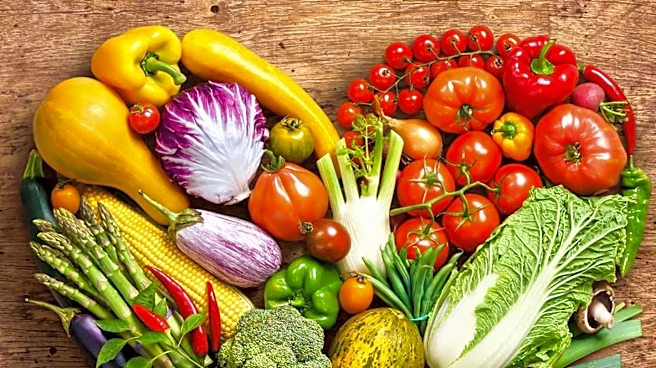
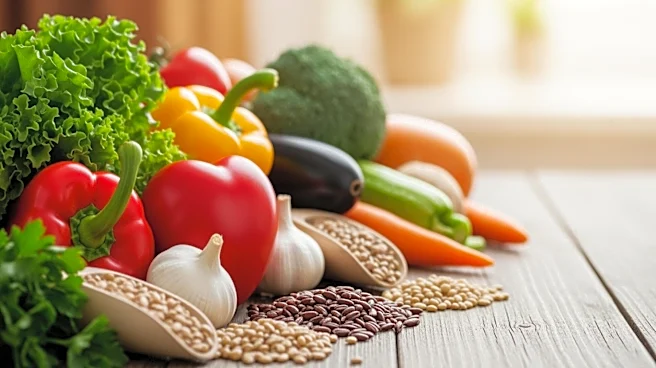
over 30 years, found that diets high in processed foods and animal fats, regardless of being low-carb or low-fat, do not benefit heart health as much as those rich in vegetables, fruits, whole grains, and healthy fats. The study, published in the Journal of the American College of Cardiology, emphasizes that focusing on the quality of food rather than merely cutting carbs or fats is essential for better cardiovascular outcomes.
Why It's Important?
This study challenges the traditional focus on low-carb or low-fat diets by highlighting the importance of food quality in maintaining heart health. The findings suggest that a diet emphasizing plant-based foods and whole grains can lead to better cardiovascular outcomes, potentially reducing the risk of coronary heart disease. This shift in focus could influence dietary guidelines and public health policies, encouraging a move away from strict calorie or macronutrient counting towards a more holistic approach to nutrition. The study's results could impact food industry practices and consumer choices, promoting healthier eating habits across the U.S.
What's Next?
The study's findings may prompt further research into the specific components of food quality that most significantly impact heart health. Public health campaigns and dietary guidelines might increasingly focus on promoting whole foods and reducing processed food consumption. Healthcare providers could also begin to emphasize food quality in dietary recommendations, potentially leading to a broader shift in how Americans approach nutrition and diet planning.