






What's Happening?
U.S. Senators Ron Johnson (R-WI) and Tammy Baldwin (D-WI) reported that their Milwaukee offices received mail containing a 'suspicious' substance on Monday. These incidents are part of a broader pattern, as similar mailings have been sent to other congressional
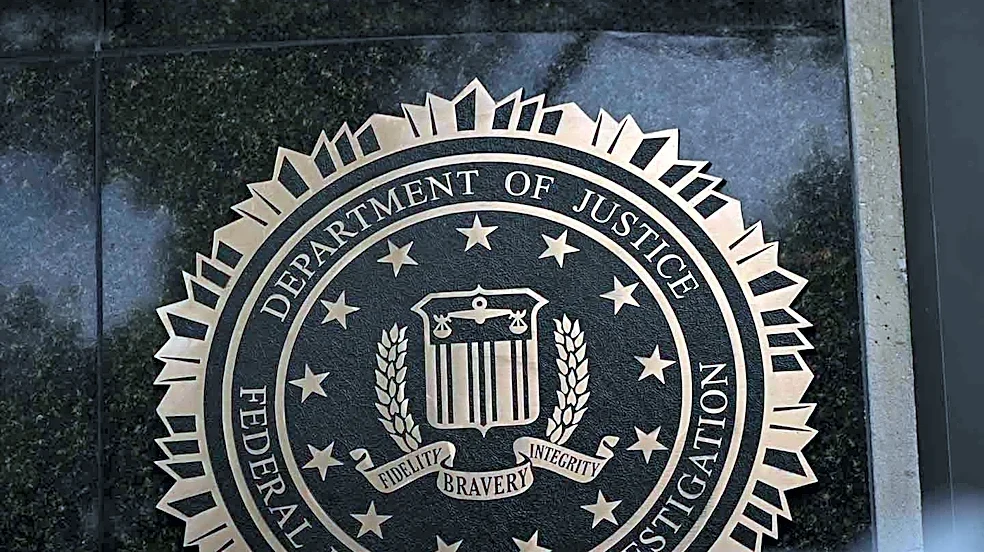
and state offices across the U.S. The offices of House members Mark Pocan of Madison and Gwen Moore of Milwaukee, as well as the Wisconsin Elections Commission and Marquette University Law School, have also recently received comparable suspicious mail. The Federal Bureau of Investigation (FBI) and the U.S. Postal Inspection Service have initiated a nationwide investigation into these incidents. The nature of the suspicious substance has not been publicly disclosed, nor have any arrests been made in connection with these mailings.
Why It's Important?
The receipt of suspicious packages by U.S. lawmakers and government institutions raises significant concerns regarding public safety and the security of elected officials and their staff. Such incidents can disrupt governmental operations and create an atmosphere of fear, potentially impacting the ability of offices to conduct their regular duties. The involvement of federal agencies like the FBI and U.S. Postal Inspection Service underscores the seriousness of these threats and the potential for them to be part of a coordinated effort. This situation highlights vulnerabilities in mail screening processes for government facilities and the ongoing challenge of protecting public servants from malicious acts. It also emphasizes the need for robust security protocols and rapid response mechanisms to address potential threats.
What's Next?
The FBI and U.S. Postal Inspection Service will continue their nationwide investigation to identify the source of these suspicious mailings and the individuals responsible. This will likely involve forensic analysis of the substances found and tracing the origins of the packages. Law enforcement agencies will also assess whether these incidents are isolated or part of a larger, organized campaign targeting government officials. In response to these events, there may be increased scrutiny and potential enhancements to mail handling and security procedures for congressional offices and other government buildings. Public advisories or updates on the investigation's progress are expected as more information becomes available.
Beyond the Headlines
The targeting of political figures and government institutions with suspicious packages can have broader implications beyond immediate security concerns. Such acts can be interpreted as attempts to intimidate or disrupt the democratic process, potentially eroding public trust in the safety of civic engagement. The widespread nature of these mailings across different political affiliations suggests a potential intent to sow discord or create a sense of vulnerability within the political landscape. This trend could lead to a re-evaluation of security measures for all public-facing government entities and a heightened awareness of domestic threats. The incidents also underscore the psychological impact on staff and officials who are directly exposed to such threats, potentially leading to increased stress and anxiety within the political workforce.