








What's Happening?
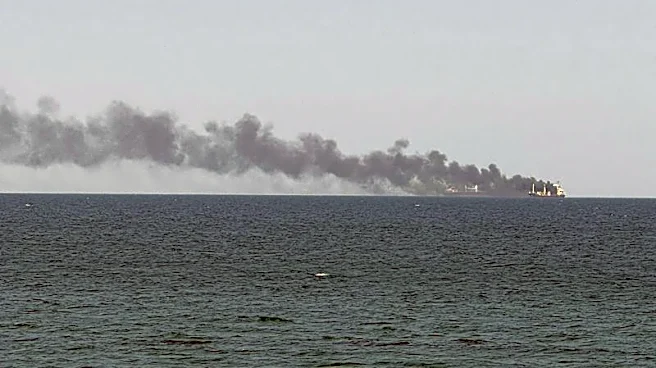
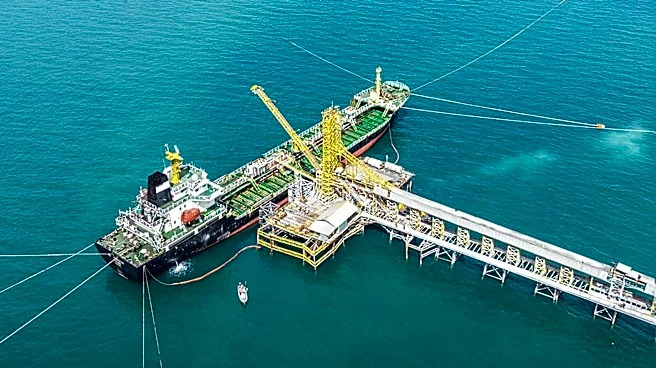
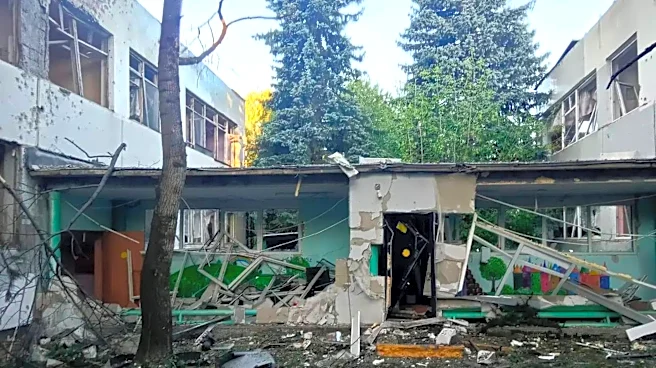
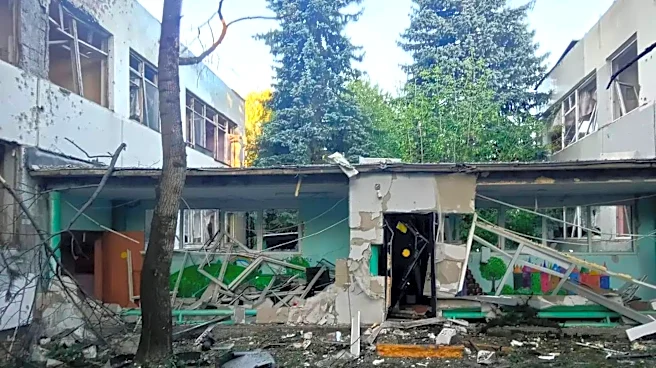
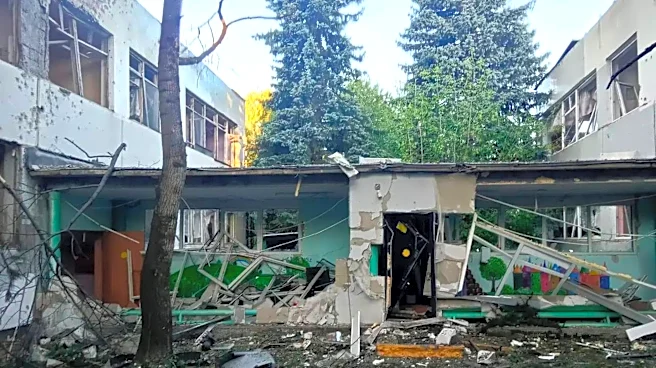
Kazakhstan's Energy Ministry has confirmed that the Caspian Pipeline Consortium (CPC) Terminal, located off Russia's Black Sea coast, is functioning normally following a drone attack on an oil tanker. The attack, which occurred on Friday, caused damage
but did not disrupt the terminal's operations. The CPC is continuing its cargo operations and loading oil onto tankers as per the established schedule. The ministry assured that Kazakh oil is not at risk. The Suezmax class Nordic Zenith, a vessel chartered by U.S. oil major ExxonMobil, was involved in the operations. However, CPC has not identified any parties responsible for the attack, and ExxonMobil has refrained from discussing details of marine transportation.
Why It's Important?
The stability of the CPC Terminal is crucial for the global oil supply chain, particularly for Kazakhstan, which relies on this route for exporting its oil. The incident highlights the vulnerabilities of critical energy infrastructure to geopolitical tensions and technological threats such as drone attacks. The ability of the CPC to maintain operations despite the attack underscores the resilience of the infrastructure but also raises concerns about future security measures. For ExxonMobil and other stakeholders, the incident may prompt a reassessment of risk management strategies in volatile regions.
What's Next?
While the immediate operations at the CPC Terminal continue unaffected, the incident may lead to increased security measures and monitoring of oil transportation routes in the Black Sea region. Stakeholders, including Kazakhstan and international oil companies, might engage in discussions to enhance protective measures against similar threats. Additionally, there could be diplomatic engagements to address the security of energy infrastructure in geopolitically sensitive areas.