






What's Happening?
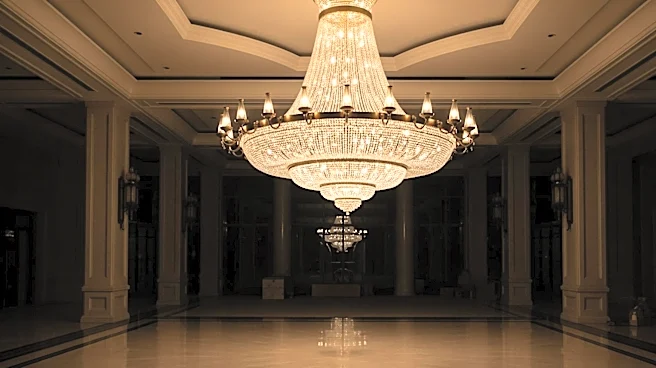
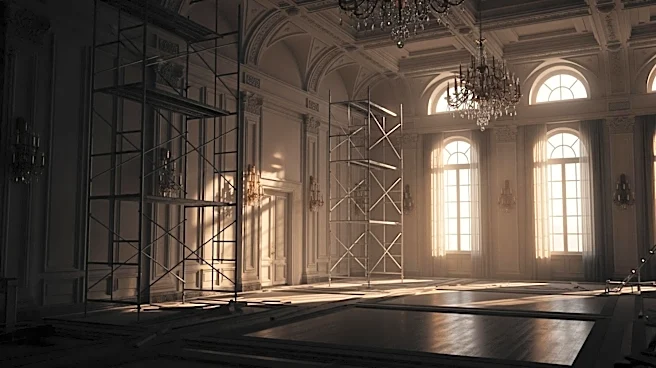
A federal appeals court has asked a Washington federal judge to clarify his ruling that blocked President Trump from constructing a 90,000-square-foot ballroom on the site of the demolished White House East Wing. The US Court of Appeals for the DC Circuit's
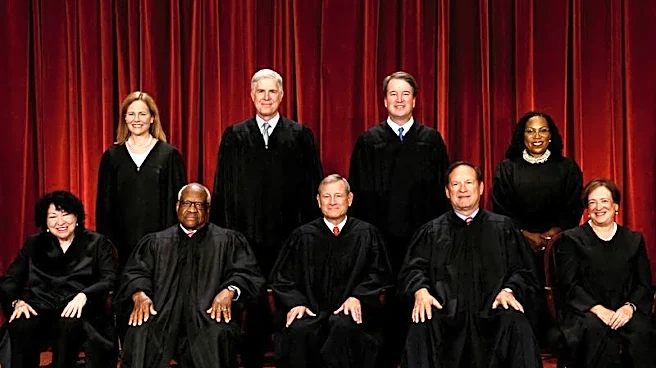
decision temporarily sidesteps the Trump administration's request to pause the lower court's decision, which halted construction until Congress approves the project. Justice Department lawyers argued that the lower court's order is untenable and poses security risks to Trump and his staff. The appeals court has extended a stay on the lower court's order until April 17, allowing time for the government to seek emergency relief from the Supreme Court.
Why It's Important?
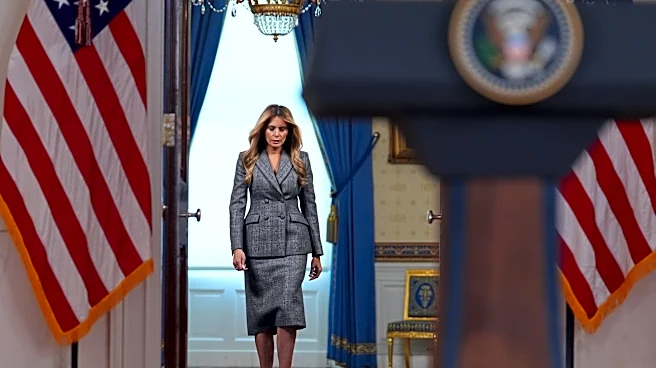
The case highlights the ongoing legal and political challenges faced by the Trump administration in its efforts to modify the White House grounds. The decision to halt construction has implications for national security, as the administration argues that the ballroom's design includes critical security features. The case also underscores the tension between historical preservation and modern security needs, with the National Trust for Historic Preservation opposing the project. The outcome could set a precedent for how future administrations balance security upgrades with historical preservation.
What's Next?
The federal judge, Richard Leon, is expected to provide further clarification on his ruling, particularly regarding exceptions for security-related construction. The Trump administration may seek emergency relief from the Supreme Court if the appeals court's remand order is not favorable. The National Trust for Historic Preservation will continue to advocate for the preservation of the White House's historical significance, potentially influencing public opinion and future legal decisions.