




What's Happening?
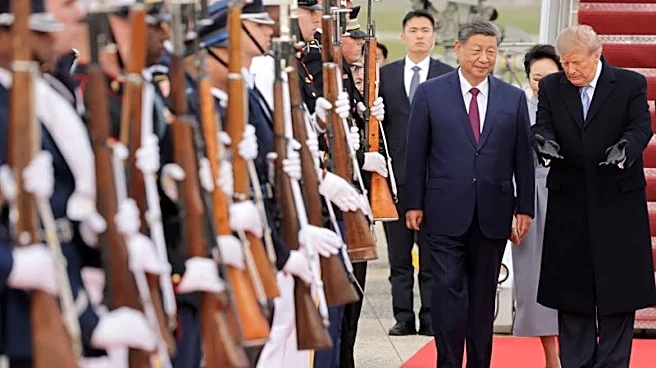
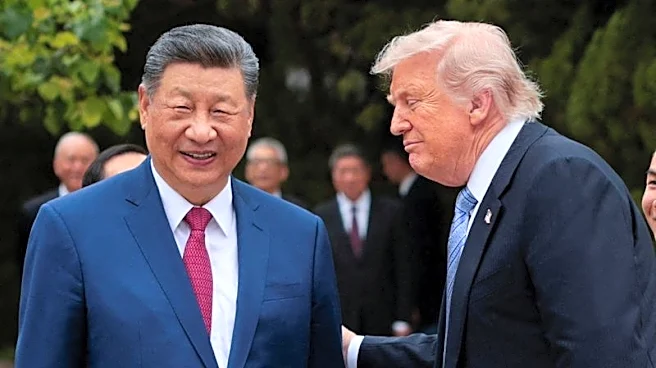
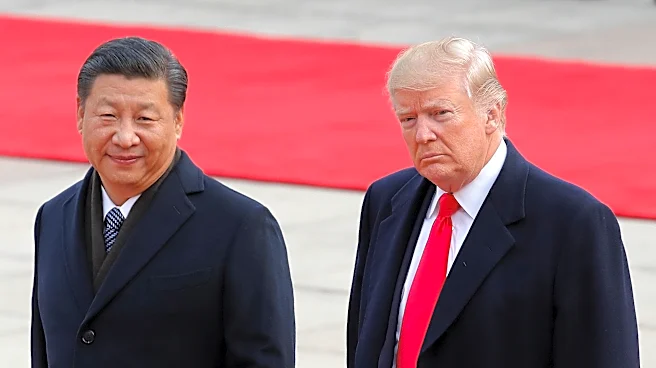
Advanced Micro Devices (AMD) Chair and CEO Lisa Su has announced her attendance at President Trump's state dinner for Chinese President Xi Jinping. This event occurs amidst significant geopolitical tensions between the U.S. and China, particularly concerning
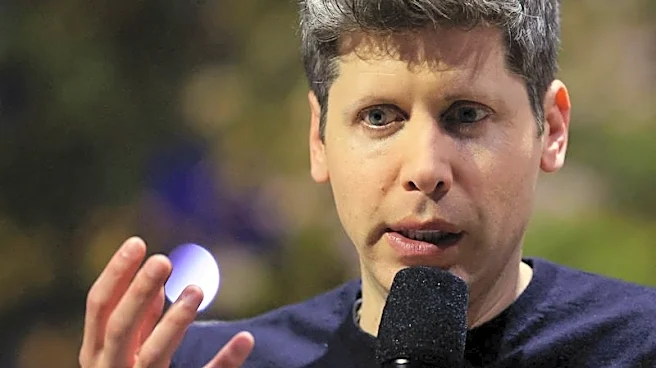
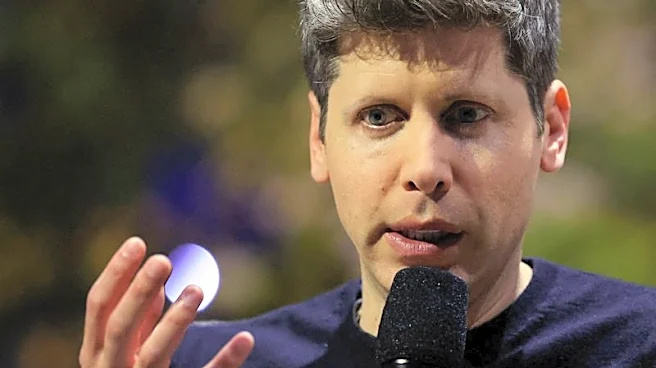
artificial intelligence (AI) development and access to semiconductor technology. Su emphasized the importance of the summit for the global technology ecosystem, highlighting the need for stability. Other prominent American tech leaders, including Elon Musk, Sam Altman, Jensen Huang, and Tim Cook, are also expected to attend. The U.S. has implemented export controls on advanced semiconductors, including those produced by Nvidia, to restrict China's access to chips vital for advanced AI models. President Trump has described AI as a potential industrial revolution, underscoring the dual responsibility of expanding U.S. technology while establishing technical safeguards. Su expressed optimism about AI's power and the necessity of building trust in the technology.
Why It's Important?
The attendance of top U.S. tech CEOs at the Trump-Xi state dinner signals the critical role of technology, especially AI and semiconductors, in U.S.-China relations. The ongoing competition for AI dominance and the U.S. restrictions on semiconductor exports to China have profound implications for global supply chains, national security, and economic competitiveness. For U.S. tech companies like AMD, Nvidia, and others, navigating these geopolitical complexities is crucial for their global market access and innovation strategies. The discussions at the summit could influence future trade policies, intellectual property protections, and the regulatory landscape for AI development. The U.S. aims to maintain its leadership in AI while ensuring responsible development, a balance that directly impacts the operational environment for these tech giants and the broader U.S. economy. The outcome of these high-level interactions could shape the future of technological collaboration and competition between the two economic superpowers.
What's Next?
AI is expected to be a major topic of discussion during the two-day summit between President Trump and President Xi. The presence of key tech industry leaders suggests that their perspectives and concerns regarding AI development, semiconductor access, and global technology ecosystems will be conveyed directly to the highest levels of government. Potential outcomes could include discussions on frameworks for AI governance, intellectual property protection, and trade policies related to critical technologies. Any agreements or disagreements emerging from these talks could lead to shifts in corporate strategies for U.S. tech companies operating in or with China. The summit may also set the stage for future dialogues on establishing international norms for AI development and deployment, impacting both national security and economic interests. The industry will closely watch for any indications of eased or tightened restrictions on technology trade and collaboration.
Beyond the Headlines
The convergence of political leaders and tech titans at this state dinner highlights the increasing entanglement of technology with geopolitics. Beyond immediate trade concerns, the discussions touch upon the ethical and societal implications of advanced AI, including its potential for both unprecedented progress and significant risks. The emphasis on building 'trust in AI' by AMD CEO Lisa Su reflects a growing awareness within the industry that technological advancement must be accompanied by robust ethical guidelines and safeguards. This event also underscores the delicate balance between fostering innovation and protecting national interests, particularly in critical sectors like semiconductors. The long-term implications could include a re-evaluation of global technology partnerships, a push for greater domestic manufacturing capabilities in the U.S., and the establishment of international standards for AI that could shape its development for decades to come. The dinner serves as a microcosm of the broader global struggle for technological supremacy and responsible innovation.