


What's Happening?
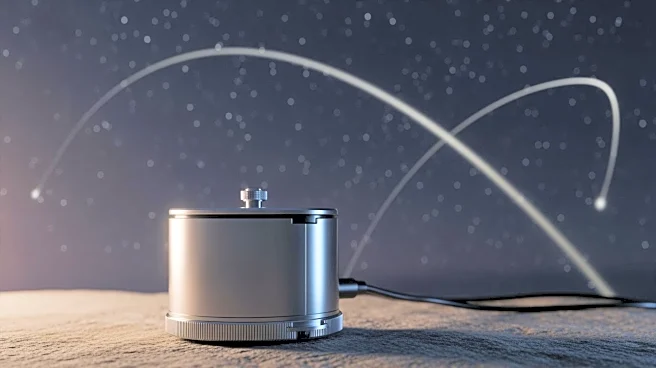
Researchers have developed a method to track space debris as it re-enters Earth's atmosphere using seismometers, traditionally used for detecting earthquakes. This innovative approach allows scientists to determine the trajectory and potential landing
sites of space junk, which poses risks to human safety and the environment. The method was successfully applied to track the Shenzhou-15 spacecraft module, which entered the atmosphere at speeds between 25 and 30 times the speed of sound. By analyzing data from 127 seismometers in southern California, researchers were able to calculate the module's path and speed, providing valuable information for debris retrieval and risk assessment.
Why It's Important?
The ability to accurately track space debris re-entry is crucial for mitigating risks associated with falling debris, which can include toxic particulates and potential harm to populated areas. This method enhances existing radar tracking by providing real-time data on debris trajectories, allowing for quicker response and retrieval efforts. As space activity increases, the frequency of debris re-entry is expected to rise, making this tracking capability increasingly important for public safety and environmental protection. Additionally, understanding debris paths can help in assessing exposure risks to toxic materials, ensuring better preparedness and response strategies.
What's Next?
The development of this tracking method opens the door for further advancements in space debris management. Researchers may continue to refine the technology, potentially integrating it with other tracking systems to improve accuracy and response times. As the space industry grows, collaboration between international space agencies and researchers could lead to standardized tracking protocols, enhancing global efforts to manage space debris. Additionally, the data collected from these tracking efforts could inform future policies and regulations aimed at reducing space debris and its associated risks.