





What's Happening?
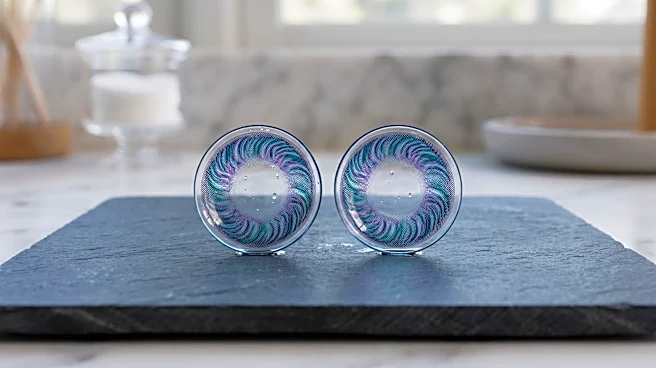
The U.S. Food and Drug Administration (FDA) and the American Academy of Ophthalmology (AAO) are issuing warnings regarding the safe use of decorative contact lenses and face paint for Halloween. All contact lenses, including those worn for cosmetic purposes
without vision correction, are classified as medical devices by the FDA and require a valid prescription. The AAO emphasizes that improperly fitted decorative lenses can cause severe eye injuries, such as corneal abrasions, ulcers, bacterial infections, reduced vision, and even permanent vision loss. These injuries can necessitate eye surgery, including corneal transplants. The FDA advises against purchasing contact lenses from unauthorized sellers like street vendors, beauty supply stores, flea markets, novelty shops, and Halloween stores, recommending legitimate retailers that verify prescriptions and sell FDA-cleared or approved lenses. For face paint, the FDA recommends using products specifically labeled for cosmetic use, checking ingredient labels, and avoiding application near the eyes unless explicitly permitted. Consumers should also discard products with unusual smells and stop use if irritation occurs.
Why It's Important?
These warnings are crucial for public health and safety in the U.S., particularly during the Halloween season when the demand for decorative cosmetic products surges. The FDA's classification of all contact lenses as medical devices underscores the serious health risks associated with unregulated sales and improper use. The potential for permanent vision damage from non-prescription or ill-fitting lenses highlights a significant consumer protection issue, as many individuals may be unaware of the medical requirements for these products. Similarly, guidelines for face paint address concerns about skin irritation and eye safety, preventing adverse reactions that could lead to medical emergencies. This information empowers consumers to make informed decisions, reducing the burden on healthcare systems from preventable injuries. It also reinforces the importance of regulatory oversight in the cosmetic and medical device industries, ensuring that products available to the public meet safety standards and that consumers are educated on their proper use.
What's Next?
Consumers planning to use decorative contact lenses for Halloween should consult an eye care professional to obtain a valid prescription and ensure proper fitting. They must purchase lenses only from legitimate retailers that comply with federal regulations. For face paint, individuals should carefully read product labels, perform patch tests for potential skin irritation, and avoid using non-cosmetic paints or applying products near the eyes unless specified as safe. Public health campaigns and educational initiatives from organizations like the FDA and AAO are likely to continue, aiming to raise awareness about these safety precautions. Retailers, especially those selling Halloween-related products, may face increased scrutiny to ensure they are not selling unregulated contact lenses. The emphasis on safety extends beyond contacts and face paint to general costume guidelines, including choosing flame-resistant materials, bright colors, and avoiding masks that obstruct vision, all to enhance pedestrian safety during trick-or-treating.
Beyond the Headlines
The issue of unregulated decorative contact lenses and unsafe cosmetic products for Halloween reflects broader challenges in consumer product safety and public awareness. The ease of purchasing these items from unauthorized sources, often at lower prices, highlights a market vulnerability that can be exploited, leading to significant health consequences. This situation also points to a gap in consumer education, where the perception of a product's medical classification may not align with its actual regulatory status. The FDA's and AAO's warnings serve as a reminder that even seemingly innocuous cosmetic items can pose serious risks if not properly regulated and used. This could prompt discussions on stricter enforcement mechanisms for online and informal sellers of medical devices and cosmetics. Furthermore, it underscores the need for continuous public health messaging that goes beyond seasonal warnings, integrating product safety education into broader health literacy initiatives to protect consumers from preventable harm year-round.