






What's Happening?
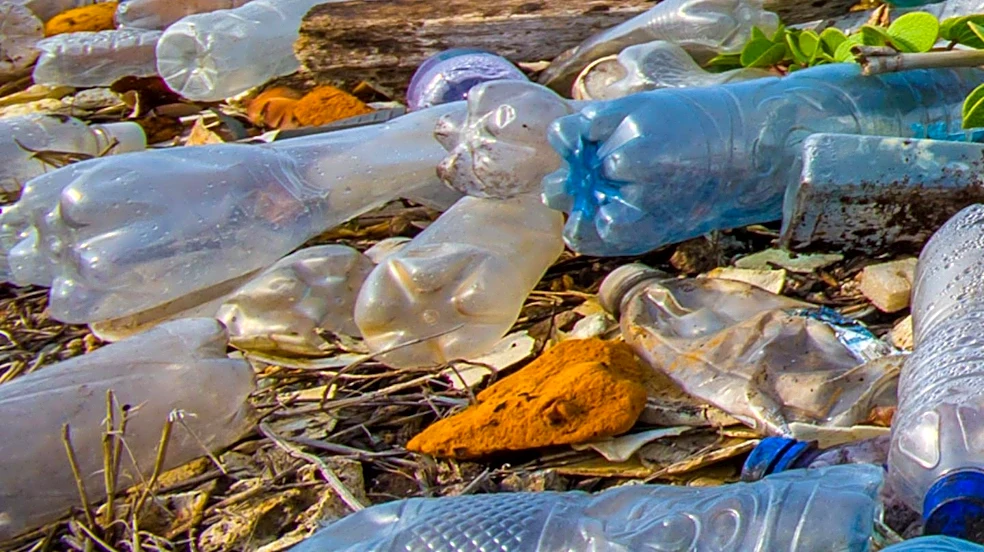
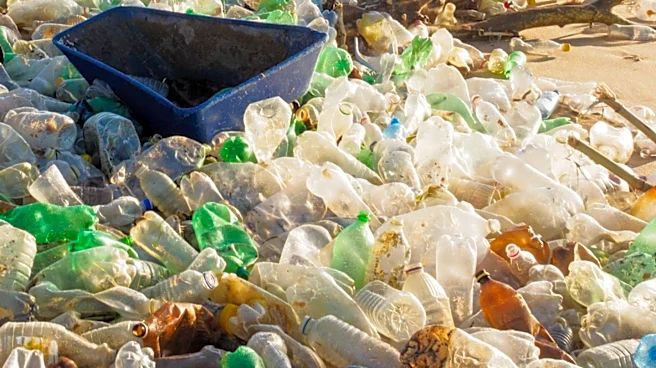
Lesotho is facing a significant waste management crisis, with plastic waste being a major contributor to environmental degradation. According to a 2021 Rapid Assessment by the United Nations Development Programme (UNDP) Lesotho, 69% of all waste entering
streams, rivers, and eventually the ocean is plastic. In Maseru alone, approximately 105,000 tonnes of waste are generated annually. Nationally, out of 137,510 tonnes generated yearly, only 20% enters the collection system, leaving 80% unaccounted for and often ending up in the environment. The country's waste management infrastructure is largely inadequate, relying on open dumps like Ts’osane, which pose severe environmental and health risks. While the Environment Act of 2008 and the National Environment Policy provide a framework, implementation and enforcement have been weak. Amidst these challenges, local solutions are emerging, such as Pheha Plastic, a social enterprise founded by Ms. Limpho Thoahlane, which focuses on plastic recycling and environmental awareness.
Why It's Important?
The pervasive plastic waste problem in Lesotho has significant environmental, health, and economic implications. The accumulation of plastic in open dumps and natural environments leads to groundwater contamination, air pollution from uncontrolled burning, and disease transmission. This directly impacts public health and the quality of life for residents. Economically, the lack of a robust waste management system represents a missed opportunity for resource recovery and job creation. Initiatives like Pheha Plastic demonstrate the potential for community-driven solutions to address these gaps, creating social and economic value by transforming waste into useful products and employing local youth. The success of such enterprises can inspire policy changes and attract investment in sustainable waste management practices, contributing to a greener economy and improved public well-being in Lesotho.
What's Next?
The Government of Lesotho has introduced a Plastic Levy in 2024 to address plastic pollution, aiming to change behavioral patterns regarding plastic use and disposal. This levy applies to plastic shopping bags of specific thicknesses, with thinner plastics being prohibited. Violations carry significant fines or imprisonment. Beyond the levy, initiatives like 'plastic-free Wednesday' and 'Operation Hloekisa Lesotho' are being implemented to promote cleaner environments. For organizations like Pheha Plastic, the focus will shift towards cleaning up existing plastic accumulation as new plastic consumption decreases due to regulations. This presents an opportunity for increased demand for recycling services. However, financial sustainability, infrastructure development for collection and processing, and building consistent market demand for recycled products remain ongoing challenges that will require continued donor support, partnerships, and consumer education.
Beyond the Headlines
The situation in Lesotho highlights a broader global challenge: the tension between grassroots innovation and systemic change in environmental management. While individuals and social enterprises like Pheha Plastic demonstrate remarkable determination and impact, their efforts alone cannot fully resolve a crisis of this scale without robust government support and infrastructure. The paradox of plastic restrictions creating recycling opportunities underscores a critical shift in environmental strategy—from solely preventing new pollution to actively remediating existing environmental damage. This also brings to light the ethical dimension of waste management, emphasizing collective responsibility and the need for integrated solutions that combine policy, infrastructure, education, and community engagement to achieve a truly circular economy and a healthier environment for all.