






What's Happening?
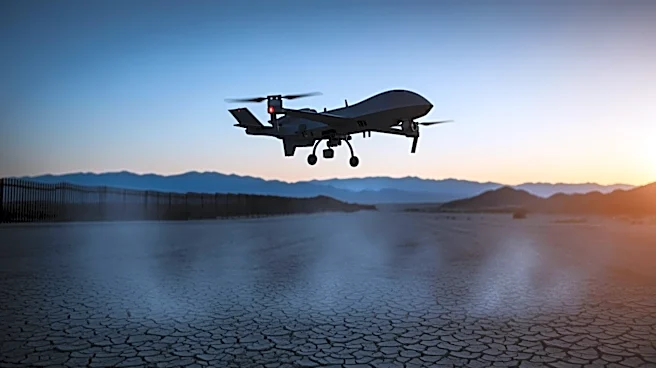
The Israeli Defense Forces (IDF) are contemplating a deeper incursion into Lebanon as the threat from Hezbollah's drone attacks replaces the previous danger posed by anti-tank missiles. Prime Minister Benjamin Netanyahu has delayed a 5-billion-shekel
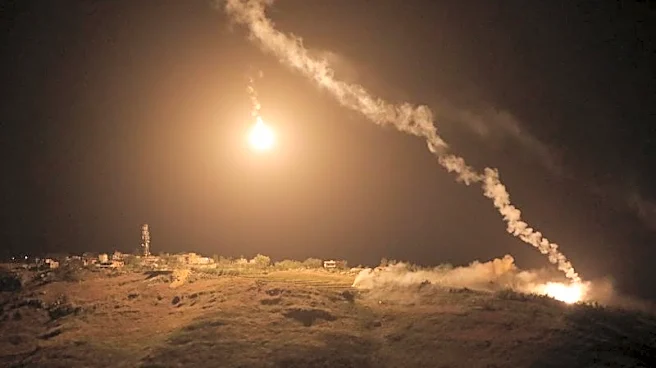
rehabilitation plan for northern Israel due to disagreements among ministers. This plan, intended to address the needs of communities near the Lebanese border, is now expected to be discussed at a future Cabinet meeting. Meanwhile, residents continue to face security challenges as drone and rocket fire persist, with the IDF struggling to provide the promised security.
Why It's Important?
The ongoing security threats from Hezbollah pose significant challenges for Israel's northern communities, impacting their safety and economic stability. The delay in implementing the rehabilitation plan highlights the difficulties in addressing these issues promptly. The IDF's consideration of a deeper incursion into Lebanon underscores the severity of the threat and the need for a strategic response. This situation affects not only the immediate security of the region but also the broader geopolitical dynamics in the Middle East, as Israel navigates its relationship with Lebanon and Hezbollah.
What's Next?
The Israeli government is expected to revisit the rehabilitation plan for northern Israel, aiming to provide the necessary resources and support for affected communities. The IDF will continue to assess the security situation and may proceed with a deeper incursion into Lebanon to mitigate the drone threat. The outcome of these decisions will have implications for Israel's domestic security policy and its approach to regional conflicts. Additionally, the international community will likely monitor these developments closely, given the potential for escalation in the region.
Beyond the Headlines
The persistent security threats and the government's response raise questions about the long-term viability of communities near conflict zones. The reliance on military solutions to address security challenges highlights the need for comprehensive strategies that include diplomatic and economic measures. The situation also underscores the importance of international cooperation in addressing regional security issues and the role of global powers in mediating conflicts in the Middle East.