



What's Happening?
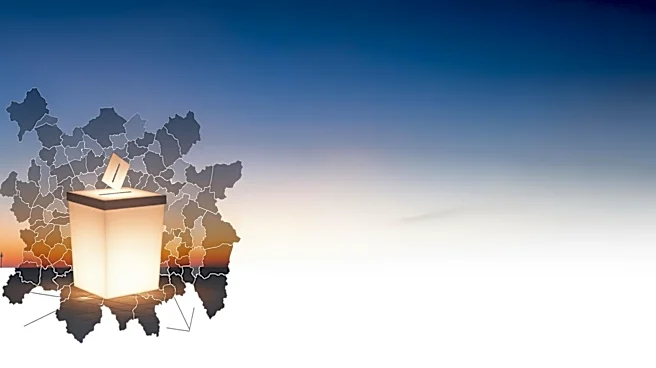
The U.S. Supreme Court has directed lower courts to revisit two significant voting rights cases involving Native American tribes in North Dakota and Mississippi. These cases challenge legislative maps drawn post-2020 census, arguing violations of Section
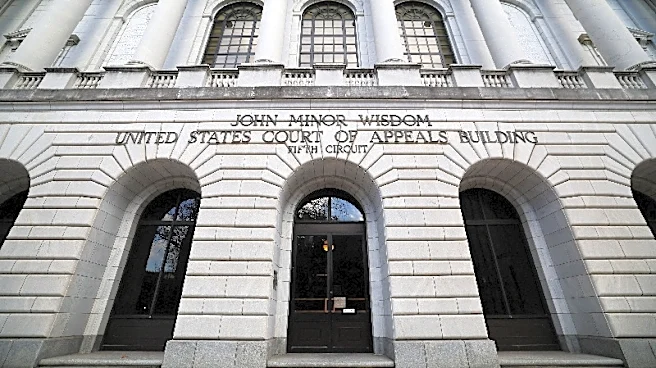
2 of the Voting Rights Act. The 8th U.S. Circuit Court of Appeals had previously ruled that only the federal government could enforce the law, a decision that conflicted with decades of case law. The Supreme Court's decision to send these cases back for reconsideration follows its recent rulings that have weakened the enforcement mechanisms of the Voting Rights Act. Justice Ketanji Brown Jackson dissented, advocating for a reversal of the lower court's decisions.
Why It's Important?
This development is crucial as it highlights ongoing challenges in enforcing the Voting Rights Act, particularly for minority groups like Native Americans. The Supreme Court's decision to revisit these cases underscores the tension between federal and private enforcement of voting rights. The outcome could significantly impact how voting rights are protected and enforced across the U.S., potentially affecting legislative representation for minority communities. The decision also reflects broader debates about the role of the judiciary in safeguarding civil rights and the balance of power between federal and state authorities.
What's Next?
The lower courts will now re-evaluate the cases in light of the Supreme Court's directive. This could lead to new legal precedents regarding the enforcement of voting rights by private parties versus the federal government. Advocacy groups and civil rights organizations are likely to continue their efforts to ensure that minority voting rights are protected, potentially leading to further legal challenges and legislative actions. The decisions in these cases could influence future redistricting efforts and the broader landscape of voting rights in the U.S.