





What's Happening?
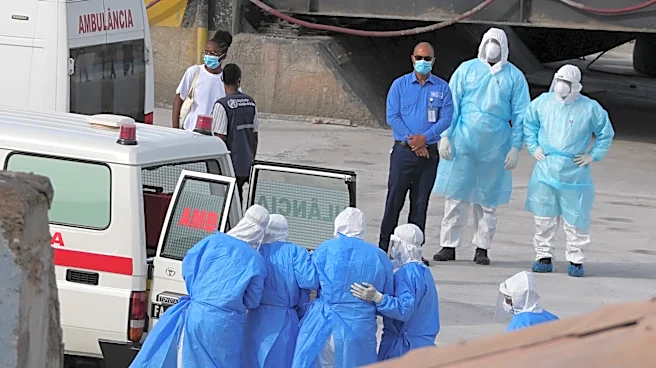
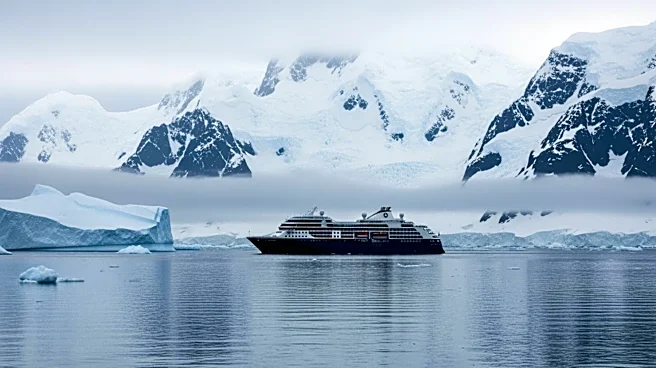
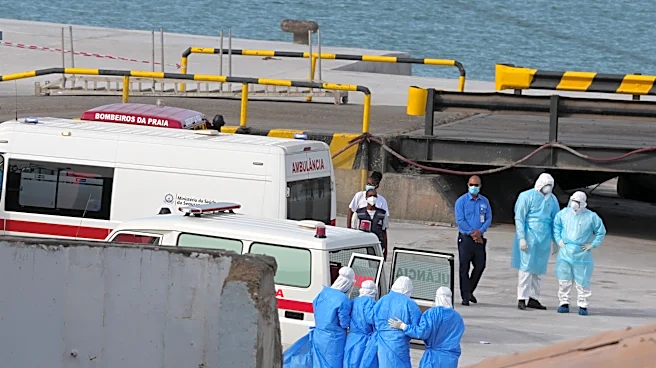
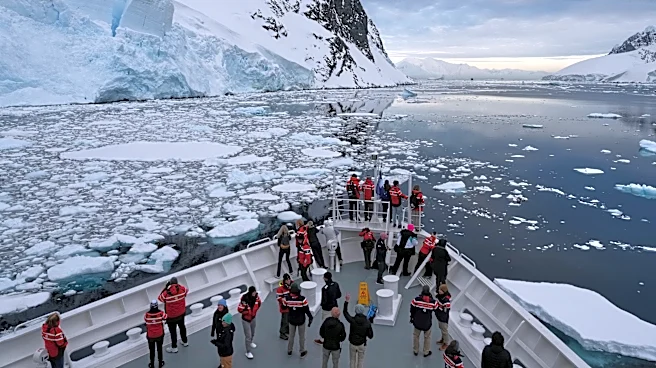
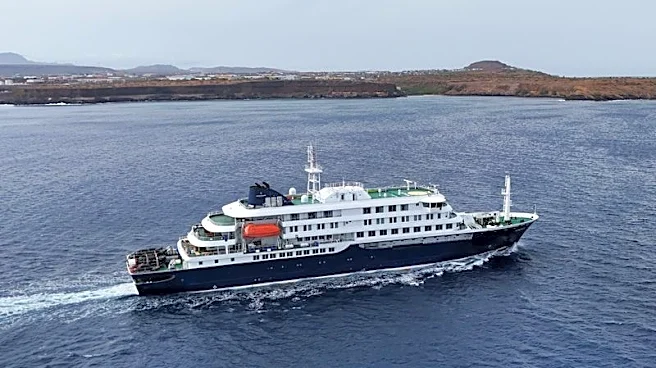
A hantavirus outbreak on a Dutch-flagged cruise ship has sparked discussions on the need for stricter regulations in Antarctic tourism. The outbreak occurred on a ship traveling from Argentina to the Cape Verde islands, resulting in five confirmed cases
and three deaths. This incident has highlighted the risks associated with the booming Antarctic tourism industry, which has seen visitor numbers triple over the past decade. The upcoming Antarctic Treaty Consultative Meeting in Japan will address whether the current regulatory framework needs strengthening to better manage tourism impacts on the fragile Antarctic ecosystem.
Why It's Important?
The outbreak underscores the potential health risks and environmental impacts of increasing tourism in Antarctica. As visitor numbers rise, so do the threats of disease transmission and ecological disruption. The Antarctic ecosystem is particularly vulnerable, and the introduction of diseases or invasive species could have devastating effects. Stricter regulations could help mitigate these risks, ensuring that tourism does not compromise the region's environmental integrity. The meeting in Japan represents an opportunity for international stakeholders to collaborate on enhancing tourism management and conservation efforts in Antarctica.
What's Next?
The Antarctic Treaty Consultative Meeting will explore options for improving tourism regulations, including mandatory entrance fees and stricter health protocols. However, reaching a consensus among the 29 participating nations, including the U.S. and Russia, may take years. The outcome of these discussions could lead to significant changes in how Antarctic tourism is managed, potentially setting a precedent for other environmentally sensitive regions.