








What's Happening?
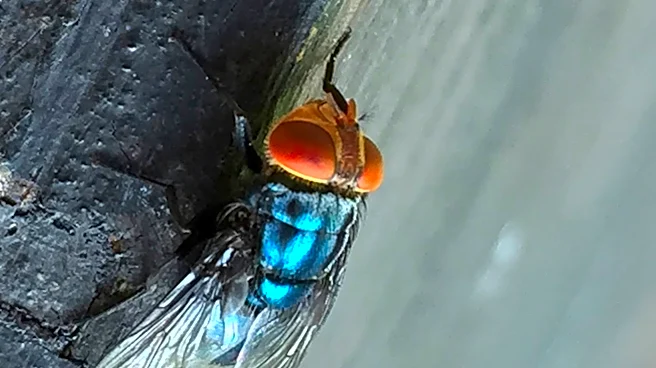
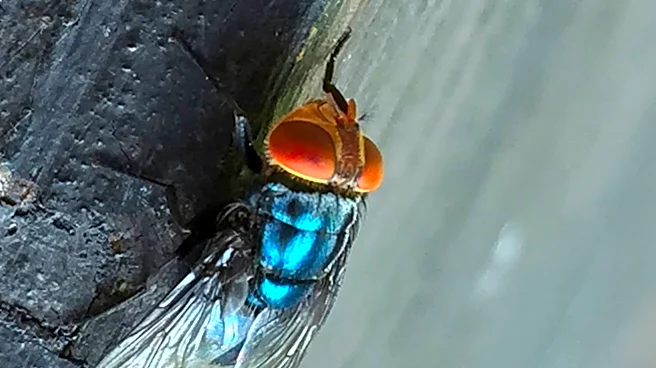
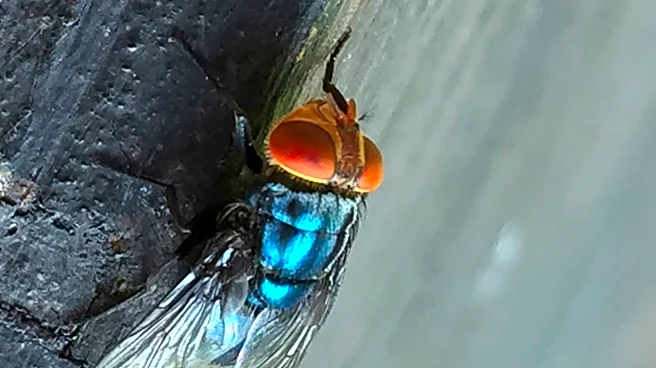
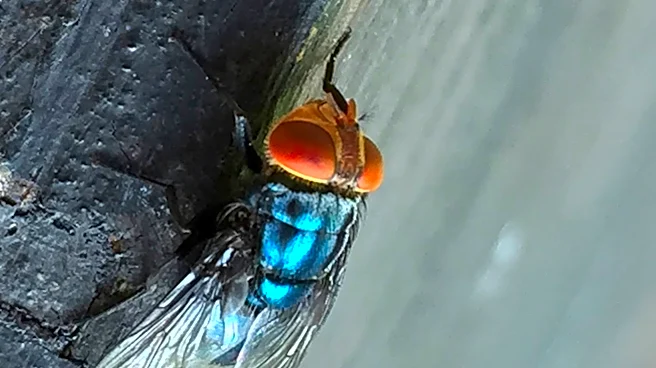
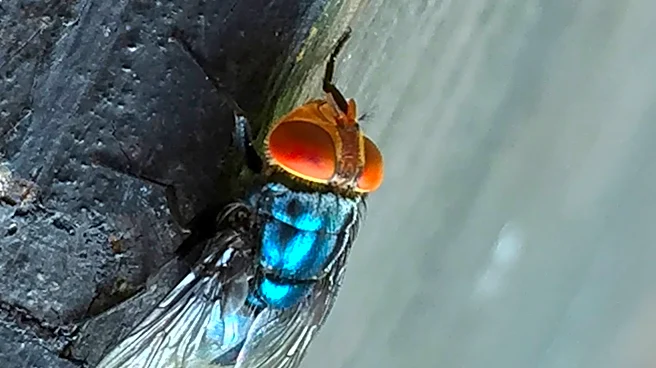
The United States Department of Agriculture (USDA) has reported the detection of the New World screwworm in a Texas calf, marking the return of a parasite that was previously eradicated in North America. The resurgence is linked to illegal cattle trafficking
by organized crime groups in Central America. This parasite, which incubates in the wounds of warm-blooded animals, poses a significant threat to the beef industry, with potential damages running into billions of dollars. The USDA, along with the Mexican Agriculture Department, is taking measures to control the spread by breeding and releasing sterilized flies. However, experts like Jeremy Radachowsky from the Wildlife Conservation Society warn that unless the root cause of illegal cattle smuggling is addressed, the problem will persist.
Why It's Important?
The reappearance of the screwworm in the United States is a major concern for the beef industry, particularly in the southwestern region. The economic impact could be severe, with potential losses in the billions. The situation underscores the broader issue of illegal cattle trafficking, which not only facilitates the spread of the screwworm but also contributes to deforestation and other environmental issues in Central America. The USDA's efforts to control the outbreak through sterilized fly releases are crucial, but the need for international cooperation to tackle the underlying smuggling activities is evident. The situation also highlights the interconnectedness of agricultural practices and organized crime, with significant implications for both economic and environmental policies.
What's Next?
The USDA and Mexican authorities are expected to continue their efforts in controlling the screwworm population through sterilization programs. However, there is a call for more comprehensive action involving the governments of the United States, Mexico, and Central American countries to address the illegal cattle trade. Texas Agriculture Commissioner Sid Miller has advocated for the use of additional pest control methods, though these have been met with resistance due to environmental concerns. The ongoing dialogue between the involved nations will be critical in determining the effectiveness of these measures and preventing further economic damage.
Beyond the Headlines
The resurgence of the screwworm also raises ethical and environmental concerns. The illegal cattle trade not only threatens the beef industry but also contributes to deforestation and habitat destruction in Central America. This environmental degradation has broader implications for biodiversity and climate change. Additionally, the spread of the screwworm highlights the challenges of managing cross-border agricultural pests in an era of global trade and migration. The situation calls for a reevaluation of current agricultural and environmental policies to better address these complex issues.