



What's Happening?
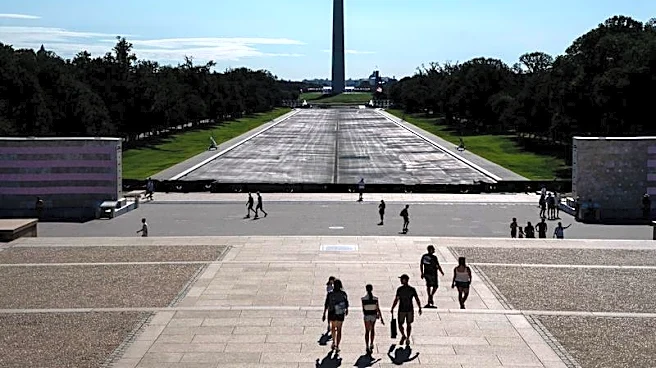
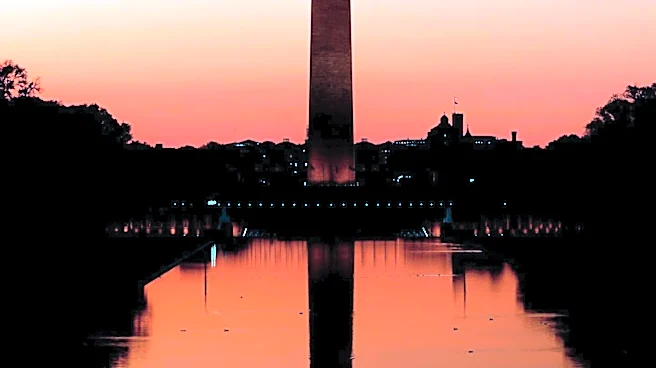
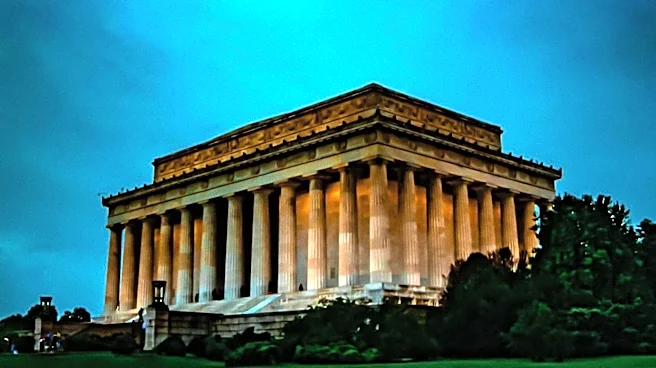
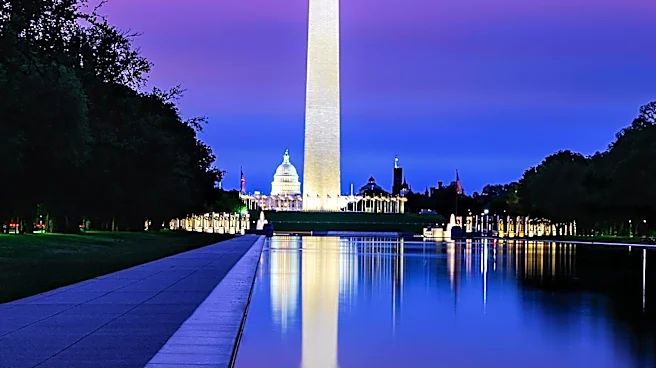
The Justice Department has decided to dismiss the criminal case against former Olympian David Hearn, who was charged with deliberately damaging the Lincoln Memorial Reflecting Pool. The decision follows new evidence indicating that the damage was not
caused by vandalism but rather by a contractor's botched installation. The case, initially presented as an act of vandalism, was undermined by documents from the Interior Department and a visual inspection revealing pre-existing damage. Hearn, who had pleaded not guilty, was accused of causing over $1,000 in damage. His lawyers argued that the prosecution was politically motivated and that the pool had significant pre-existing issues. The dismissal is seen as a setback for the Justice Department, which had linked the case to accountability for damage at a national landmark.
Why It's Important?
The dismissal of the case against Hearn highlights potential issues within the Justice Department's handling of high-profile cases, particularly those with political implications. The case was initially tied to President Trump's renovation project for the country's 250th anniversary celebrations, suggesting a political dimension to the prosecution. The outcome may affect public trust in the Justice Department's objectivity and its ability to manage cases involving national landmarks. Additionally, the case underscores the importance of thorough evidence gathering and the potential consequences of premature legal actions. The decision to drop the charges could also impact future cases involving similar allegations of vandalism or damage to public property.
What's Next?
Following the dismissal, there may be calls for an internal review of the Justice Department's decision-making process in this case. Hearn's legal team may seek further action to address what they perceive as an abuse of government power. The case could prompt discussions on the need for clearer guidelines and accountability in prosecuting cases involving public property damage. Additionally, there may be increased scrutiny on the processes and standards used by contractors working on national landmarks, especially in projects linked to significant national events.