






What's Happening?
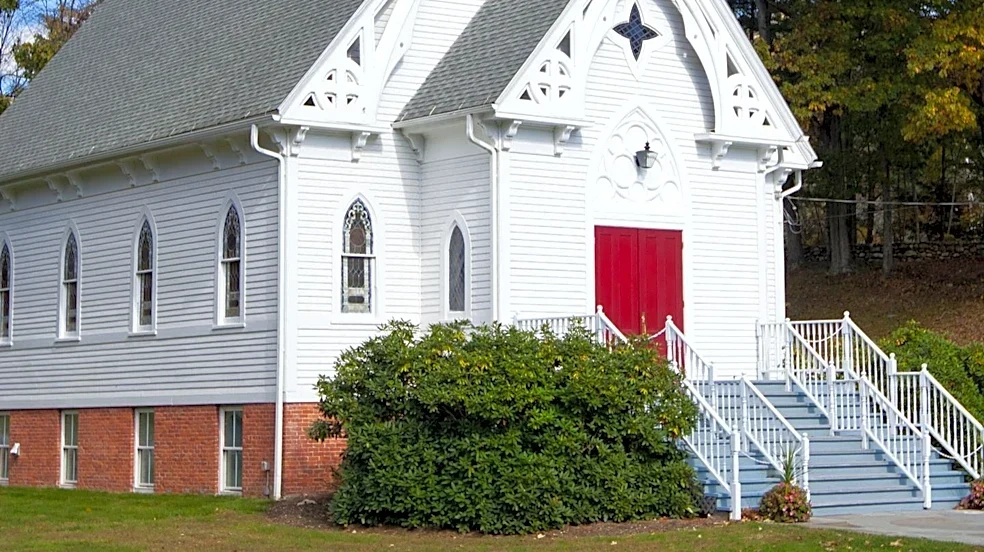
The Augusta Canal National Heritage Area has received an additional $750,000 federal grant to aid in the preservation and restoration of the historic Mother Trinity CME Church in downtown Augusta, Georgia. This new award, sourced from the National Park
Service’s African American Civil Rights Grant program, elevates the total grant funding for the project to $2.25 million. The funds are earmarked for the initial phases of work, focusing on stabilizing and restoring the 132-year-old red-brick, Gothic-style sanctuary. Mother Trinity CME Church holds significant historical importance as the symbolic birthplace of the Christian Methodist Episcopal denomination in Georgia and is listed on the National Register of Historic Places. The church, constructed in 1893 and designed by African American architect Henry Coleman, served as a crucial gathering place for Augusta’s Black community and a hub for civil rights organizing.
Why It's Important?
This grant is vital for preserving a significant piece of American history and African American heritage. Mother Trinity CME Church is not just an architectural landmark but a cultural touchstone, representing decades of community building and civil rights activism. The $750,000 federal funding ensures that early deterioration can be halted, the exterior shored up, and a long-term restoration plan developed. This preservation effort will prevent the loss of a site that played a pivotal role in the social and religious life of Augusta's Black community, including its connection to music legend James Brown, who practiced piano there as a child. The project also highlights the ongoing national commitment to recognizing and protecting sites critical to the African American Civil Rights movement, ensuring these stories and structures endure for future generations.
What's Next?
The immediate next steps involve utilizing the $750,000 grant to commence the early phases of stabilization and restoration work on Mother Trinity CME Church. This will include efforts to halt further deterioration and reinforce the building's exterior. Concurrently, a long-term restoration plan will be developed, outlining the comprehensive steps needed to fully restore the sanctuary. The project is a collaborative effort involving the Augusta Canal Authority, GreenRock Partners, Historic Augusta Inc., and SHAH Architecture, with oversight from the Georgia State Historic Preservation Office. Project leaders envision the restored church becoming a future hub for cultural tourism and economic activity along the Augusta Canal corridor, suggesting that the restoration will not only preserve history but also contribute to the local economy and community engagement.
Beyond the Headlines
The restoration of Mother Trinity CME Church extends beyond mere structural repair; it represents a broader societal commitment to acknowledging and celebrating the contributions of African Americans to U.S. history and culture. By preserving such sites, the nation reinforces its dedication to historical accuracy and inclusivity, ensuring that the narratives of marginalized communities are not forgotten. This project also serves as a model for how federal grants, local partnerships, and community vision can converge to save endangered historical landmarks. The anticipated transformation of the church into a cultural tourism hub underscores the economic and educational potential of heritage preservation, demonstrating that investing in history can yield significant returns in community development and cultural enrichment.