





What's Happening?
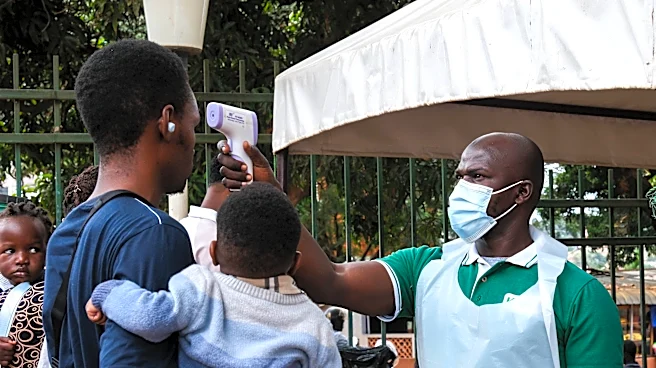
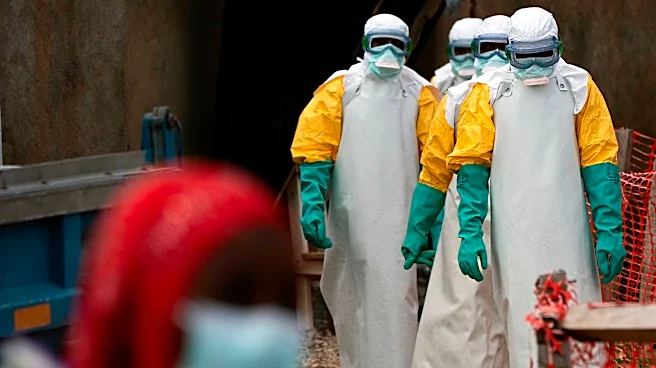
The Democratic Republic of the Congo is currently facing a severe Ebola outbreak in its eastern Ituri province, with at least 80 deaths reported. The World Health Organization (WHO) has declared the situation a 'public health emergency of international
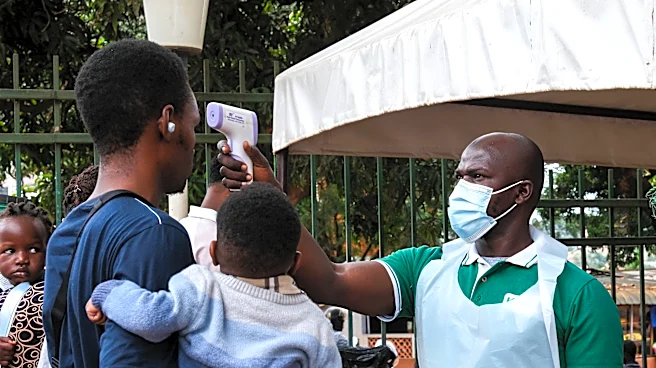
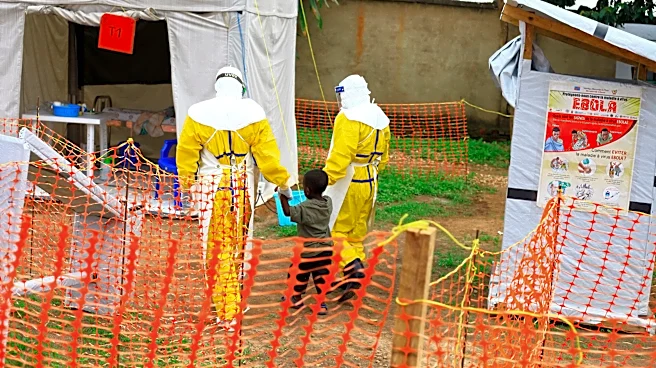
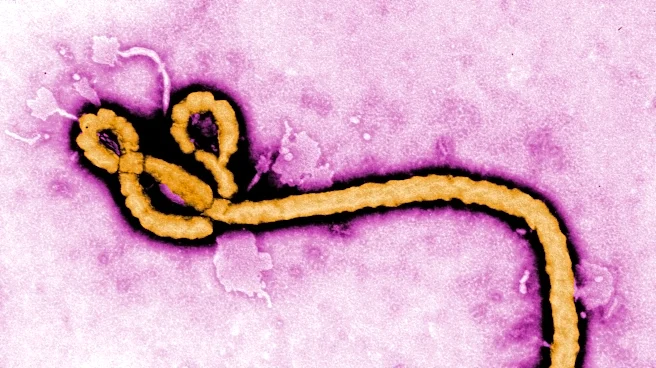
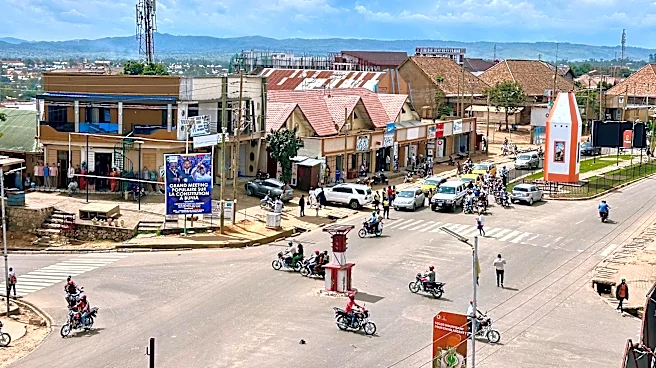
concern.' The outbreak, which involves the Bundibugyo virus strain, has been confirmed in three health zones, including the capital city of Bunia. Health workers are intensifying efforts to screen and trace contacts to contain the disease. The outbreak was first announced with 65 deaths and 246 suspected cases. The Bundibugyo virus, a less common strain, has previously caused outbreaks in Uganda and Congo. The current outbreak's suspected index case is a nurse who died in Bunia. The situation is complicated by the region's volatility and logistical challenges in delivering medical supplies.
Why It's Important?
The outbreak's declaration as a public health emergency underscores the potential for regional and international spread, particularly given the proximity to Uganda and South Sudan. The lack of approved vaccines or treatments for the Bundibugyo strain heightens concerns about containment. The outbreak's impact is exacerbated by the region's instability and ongoing conflict, which complicates response efforts. The U.S. has historically played a significant role in Ebola response, but recent cuts to the U.S. Agency for International Development and withdrawal from the WHO may affect its ability to assist. The outbreak highlights the need for robust international cooperation and preparedness to manage such health crises effectively.
What's Next?
Efforts to contain the outbreak will likely involve increased international collaboration, with organizations like Doctors Without Borders preparing large-scale responses. Neighboring countries, including Uganda and Kenya, are on high alert, with Uganda confirming an imported case. The WHO and other health agencies will continue to monitor the situation closely, and further international support may be mobilized. The U.S. response remains uncertain, but existing infrastructure for handling high-consequence pathogens could be leveraged if needed. The situation calls for urgent action to prevent further spread and protect vulnerable populations.
Beyond the Headlines
The outbreak raises ethical and logistical questions about global health equity and the distribution of resources. The challenges faced by Congo highlight the need for sustained investment in health infrastructure and emergency preparedness, particularly in conflict-affected regions. The situation also underscores the importance of maintaining international health partnerships and the potential consequences of political decisions on global health security. The outbreak may prompt a reevaluation of global health strategies and the role of major powers in supporting vulnerable regions.