
What's Happening?
The U.S. Army is deploying low-cost interceptor drones, known as Merops, which were initially tested in Ukraine, to counter Iranian-made Shahed drones. This move aims to shift the economic balance of air
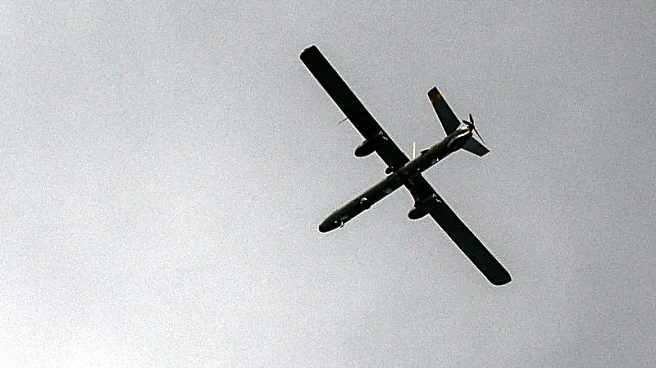
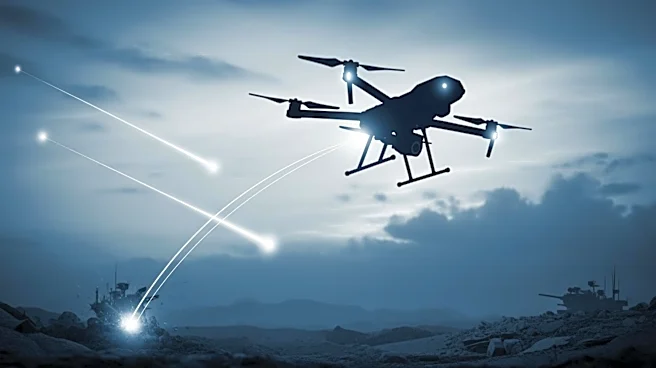
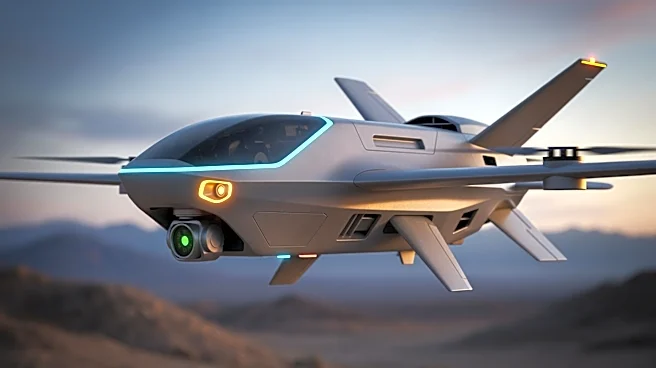
defense, traditionally favoring those using inexpensive, disposable technology. Army Secretary Dan Driscoll announced the deployment and rapid production scaling of Merops during a budget hearing. The Merops system, developed by Perennial Autonomy, is a mobile, fixed-wing interceptor designed to destroy hostile drones. It features a two-kilogram fragmentation warhead and uses onboard sensors for target tracking. The system was first used by Ukrainian forces in 2024 and has since been adopted by NATO allies like Poland and Romania.
Why It's Important?
The adoption of Merops drones by the U.S. Army represents a strategic shift in air defense, emphasizing cost-effectiveness and rapid deployment. This approach could significantly impact military budgets and defense strategies, as the Merops system costs significantly less than the drones it targets. The ability to produce and deploy these drones quickly could enhance the U.S. military's capacity to respond to emerging threats, particularly from nations employing mass drone tactics. This development also underscores the growing importance of drone warfare and the need for innovative solutions to counteract low-cost, high-volume threats.
What's Next?
The U.S. Army plans to continue scaling the production of Merops drones, potentially reducing costs further. This could lead to broader adoption across other branches of the military and allied nations. The effectiveness of these drones in real-world scenarios will likely influence future defense procurement and strategy, particularly in regions facing similar threats. Additionally, the success of the Merops system may prompt further investment in drone technology and innovation, potentially leading to new advancements in autonomous and cost-effective defense systems.