





What's Happening?
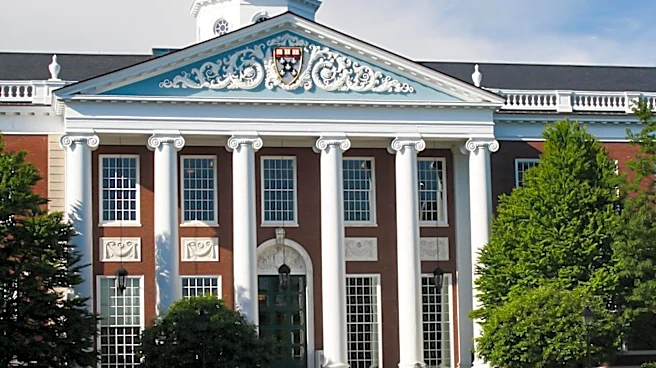
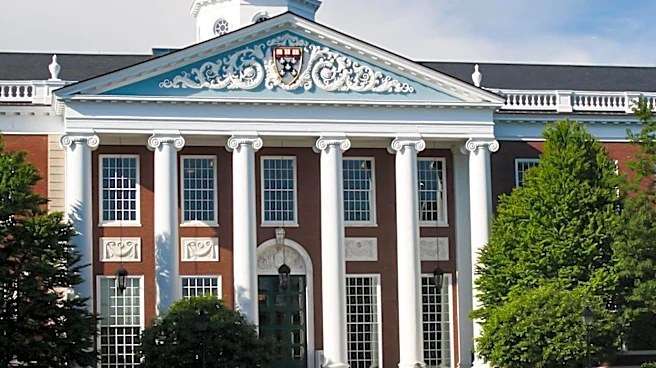
A Massachusetts woman has been sentenced for her involvement in selling human body parts that were stolen from a Harvard Medical School morgue. This case highlights a disturbing breach of ethical and legal standards concerning the handling of human remains.
The individual was found to have participated in a scheme where body parts, intended for medical study and donation, were illicitly removed from the university's facilities and sold for personal profit. The investigation uncovered a network of individuals involved in the trafficking of these remains, leading to charges and convictions. The incident has raised significant concerns about the security protocols and oversight within institutions responsible for managing human anatomical donations.
Why It's Important?
This case carries significant implications for the ethical treatment of human remains and the trust placed in medical institutions. The unauthorized sale of body parts undermines the dignity of the deceased and betrays the trust of donors and their families who believed their contributions would serve scientific and educational purposes. It also exposes vulnerabilities in the security and accountability systems of institutions like Harvard Medical School, potentially leading to a reevaluation of how such sensitive materials are managed. The incident could deter future anatomical donations, which are crucial for medical research and education, if public confidence in the integrity of these programs is eroded. Furthermore, it underscores the legal ramifications for individuals who exploit such systems for personal gain, emphasizing the severe penalties for trafficking human remains.
What's Next?
Following the sentencing, there will likely be increased scrutiny on Harvard Medical School's procedures for handling human remains. The institution may face internal reviews, external audits, and potentially new regulations or guidelines from oversight bodies to prevent similar incidents. Other medical schools and research facilities across the U.S. might also review their own security and ethical protocols to ensure compliance and maintain public trust. Legal actions, including potential civil lawsuits from affected families, could also emerge. The broader conversation around the ethics of anatomical donation and the legal framework governing human remains is expected to continue, possibly leading to legislative changes aimed at strengthening protections and accountability.
Beyond the Headlines
Beyond the immediate legal and institutional consequences, this case touches upon profound ethical and societal questions regarding the commodification of the human body. The act of selling stolen body parts reduces human remains to mere commodities, stripping away their inherent dignity and the respect traditionally accorded to the deceased. It forces a re-examination of the boundaries between scientific utility and human reverence, particularly in a society where medical advancements often rely on anatomical donations. The incident also highlights the dark underbelly of illicit markets, where even the most sacred aspects of human existence can be exploited for profit, challenging our collective understanding of morality and the sanctity of the human form.