







What's Happening?
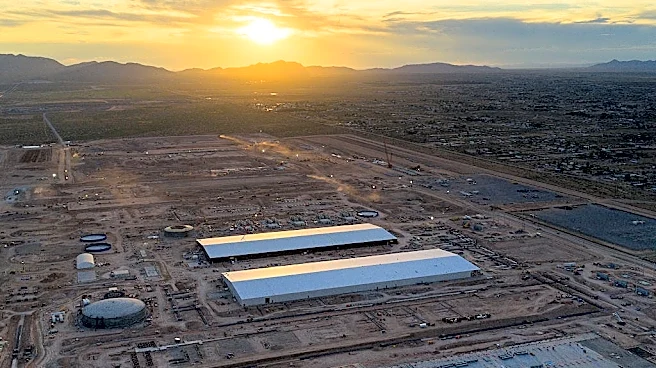
San Jose city leaders recently held a community listening session to gather public feedback on proposed guidelines for future Artificial Intelligence (AI) data center projects. Residents expressed significant concerns regarding the environmental impact
of these facilities, citing heavy strain on local power grids, substantial water usage, and potential health risks. Mayor Matt Mahan opened the session, emphasizing that community input would guide the city's priorities and regulations for data center development. Despite the city's current drafting of standards and best practices, attendees overwhelmingly opposed expanding data center operations. San Jose currently hosts approximately 20 operating data centers, with an additional 11 facilities either under consideration or navigating the city's construction approval process. Community groups and residents called for an immediate moratorium on new data center construction until comprehensive regulations are finalized.
Why It's Important?
The pushback from San Jose residents highlights a growing national concern regarding the environmental and resource demands of rapidly expanding AI infrastructure. The concentration of data centers in areas like San Jose, a major tech hub, can place immense pressure on local utilities, particularly water supplies in drought-prone regions and electricity grids already facing increasing demand. This situation underscores the broader challenge for municipalities to balance economic development, such as job creation and tax revenue from data centers, with environmental sustainability and public health. The debate in San Jose could set a precedent for how other U.S. cities approach the regulation of AI data centers, influencing policy decisions on resource allocation, environmental protection, and community engagement in technological development. The concerns raised by parents about potential pollution and health risks also bring to light the social equity implications of industrial development in residential areas.
What's Next?
San Jose city officials have indicated that they will offer additional opportunities for public input in the coming months. A final list of proposed data center standards is scheduled to be presented to the San Jose City Council for a vote in December. While residents and community groups are advocating for an immediate moratorium on new data center construction, city officials have not yet indicated that such a measure is under consideration. The outcome of the City Council's vote on the proposed standards will determine the future regulatory landscape for AI data centers in San Jose. This decision will likely influence the pace and nature of technological infrastructure development in the region and could serve as a model for other cities grappling with similar issues.
Beyond the Headlines
The controversy in San Jose extends beyond immediate environmental concerns, touching upon the ethical and societal implications of unchecked technological growth. The rapid expansion of AI, while promising innovation, also brings significant infrastructure demands that can disproportionately affect local communities. The debate raises questions about the true cost of AI, not just in terms of computational power, but also in terms of environmental burden and community well-being. It highlights a potential long-term shift in how cities perceive and regulate tech development, moving towards a more cautious and community-centric approach. This could lead to increased scrutiny of tech companies' environmental footprints and greater emphasis on sustainable practices in the tech industry, potentially influencing investment and development patterns across the U.S.