



What's Happening?
A coalition of 25 states, including Pennsylvania, New Jersey, and Delaware, has filed a lawsuit against the Federal Emergency Management Agency (FEMA) and the Department of Homeland Security (DHS). The lawsuit alleges that the federal government is withholding
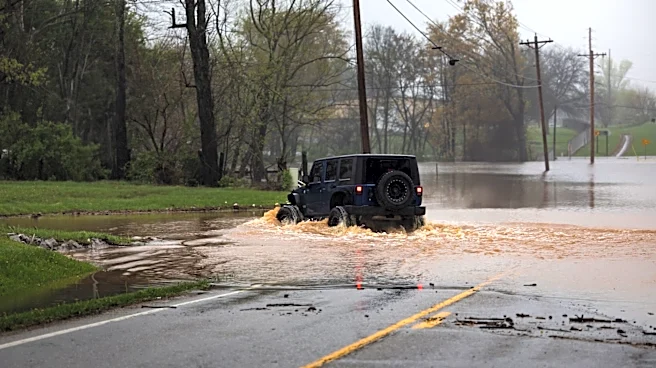
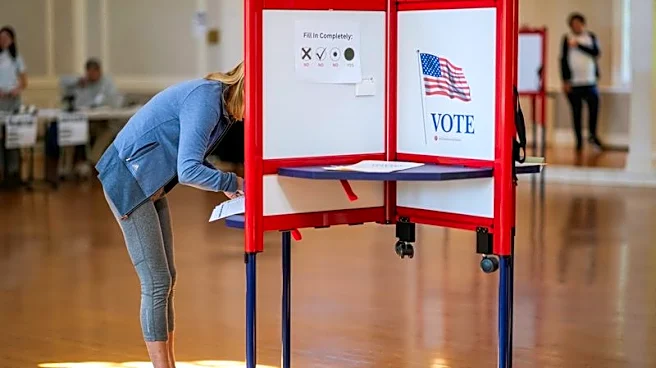
disaster relief and counterterrorism funding unless states agree to share voter rolls. The attorneys general of these states argue that this condition is an overreach of federal authority and violates state sovereignty. The legal action reflects growing tensions between state governments and federal agencies over the management and distribution of federal funds.
Why It's Important?
The lawsuit highlights significant legal and political tensions between state and federal governments regarding the conditions attached to federal funding. The outcome of this case could have far-reaching implications for how federal agencies impose conditions on funding and the autonomy of state governments in managing their affairs. If the states succeed, it could set a precedent limiting federal authority over state-managed programs and funds. Conversely, a ruling in favor of the federal government could reinforce its ability to impose conditions on funding, potentially affecting a wide range of state-federal interactions.
What's Next?
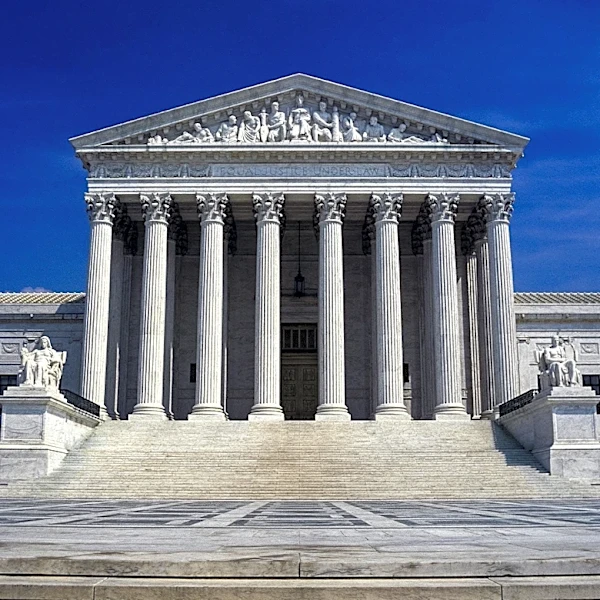
The legal proceedings will likely involve extensive arguments over the constitutional limits of federal power and state rights. The case could progress through various levels of the judicial system, potentially reaching the Supreme Court if significant constitutional questions are raised. In the meantime, the states involved may face challenges in accessing necessary federal funds, impacting their disaster preparedness and counterterrorism efforts. The lawsuit may also prompt legislative discussions on the balance of power between state and federal governments and the conditions under which federal funds are distributed.