
What's Happening?
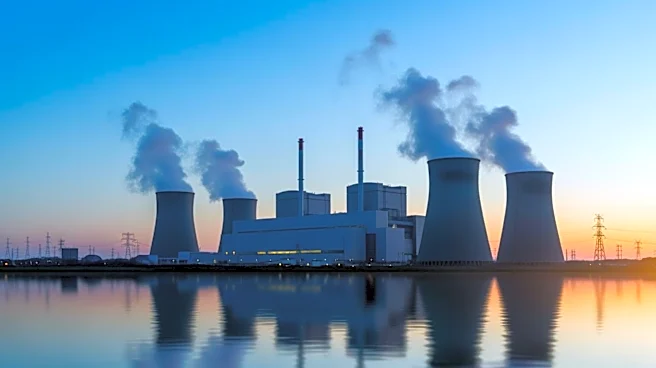
South Korea is set to increase its nuclear power generation capacity to 29.8 gigawatts by 2035, up from 25.6 gigawatts in 2025. This expansion is part of the 11th Basic Plan for Long-Term Electricity Supply
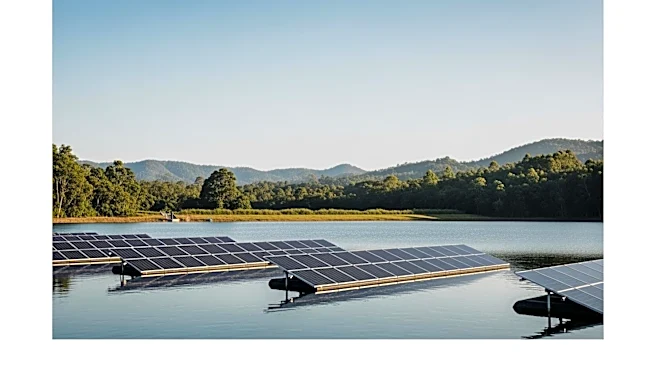
and Demand, which aims to enhance energy security and provide stable baseload power. The plan includes constructing large-scale reactors and developing small modular reactors (SMRs). Despite initial political uncertainty, strong public support has ensured the continuation of this nuclear roadmap. The country is also rapidly scaling up renewable energy sources, with solar and offshore wind capacities expected to see significant growth.
Why It's Important?
South Korea's nuclear expansion is a strategic move to ensure energy security and meet decarbonization targets. By increasing nuclear capacity, the country aims to reduce reliance on fossil fuels and stabilize its energy supply. This shift is crucial for South Korea's economic stability and environmental goals, as it balances nuclear power with renewable energy sources. The expansion also positions South Korea as a leader in nuclear technology, potentially boosting its international influence and opening opportunities for reactor exports and collaborations.
What's Next?
South Korea will continue to implement its nuclear expansion plan while simultaneously increasing its renewable energy capacity. The government will likely focus on international partnerships to enhance its nuclear technology exports and collaborate on small modular reactors. Domestically, the transition will require careful management of thermal power sources, with a planned reduction in coal-fired capacity and an increase in natural gas capacity. The success of this dual-track energy strategy will depend on maintaining public support and navigating geopolitical challenges.