







What's Happening?
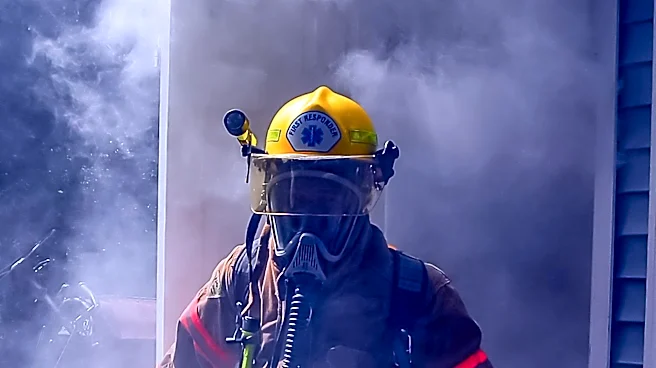
Ohio Governor Mike DeWine and Ohio Fire Marshal Kevin Reardon have dedicated the Ohio Fire Academy’s newest search and rescue building, designed to provide advanced training for firefighters, EMS personnel, and other first responders. This state-of-the-art
facility is engineered to simulate a wide array of real-world emergency conditions, including those found in hospitals, hotels, nursing homes, retail stores, and other commercial or residential buildings. The training center features a five-story interior structure with advanced systems capable of producing realistic sounds and alerts, such as filling entire buildings with smoke. Additionally, it includes a tower specifically for high-angle and technical rope-rescue exercises. The facility is expected to train approximately 8,000 first responders annually, enhancing their skills and confidence in handling complex emergency situations. Governor DeWine emphasized the importance of providing the best possible training for Ohio's first responders to ensure their safety and effectiveness in protecting citizens.
Why It's Important?
The dedication of this new search and rescue training facility is a significant investment in public safety and emergency preparedness across Ohio. By offering realistic and comprehensive training, the facility aims to improve the response capabilities of thousands of first responders, which can directly translate to more effective and safer operations during emergencies. This enhanced training can lead to better outcomes for victims in various disaster scenarios, from structural collapses to complex urban rescues. For the state, it signifies a commitment to supporting its emergency services and ensuring they are equipped with the most current skills and knowledge. The ability to simulate diverse environments means responders can practice in conditions closely mirroring actual incidents, reducing risks during real-life events and potentially saving more lives. This initiative also positions Ohio as a leader in first responder training, potentially attracting professionals from other regions seeking advanced instruction.
What's Next?
Following its dedication, the new search and rescue building will immediately begin its operations, with an estimated 8,000 first responders expected to undergo training annually. The Ohio Fire Academy recently graduated 32 cadets from Ohio, Pennsylvania, and Indiana, indicating the facility's regional impact. The ongoing training programs will focus on preparing personnel for a wide range of emergency conditions, continuously updating their skills to meet evolving challenges. Future developments may include expanding the types of simulated scenarios or incorporating new technologies as they emerge in emergency response. The facility's long-term success will be measured by its impact on incident response times, casualty reduction, and the overall safety of both citizens and first responders in Ohio and potentially neighboring states.
Beyond the Headlines
This investment in advanced training facilities reflects a broader understanding of the critical role first responders play in community resilience and disaster management. Beyond the immediate benefits of improved skills, such facilities foster a culture of continuous learning and professional development within emergency services. It also highlights the increasing complexity of modern emergencies, which often require specialized techniques and inter-agency coordination. The ability to train in realistic, controlled environments can also address psychological preparedness, helping responders to better manage stress and make critical decisions under pressure. Furthermore, by investing in its own training infrastructure, Ohio reduces reliance on external facilities, potentially making training more accessible and cost-effective for its departments. This proactive approach to preparedness underscores a commitment to safeguarding communities against unforeseen crises and enhancing the overall security framework of the state.