






What's Happening?
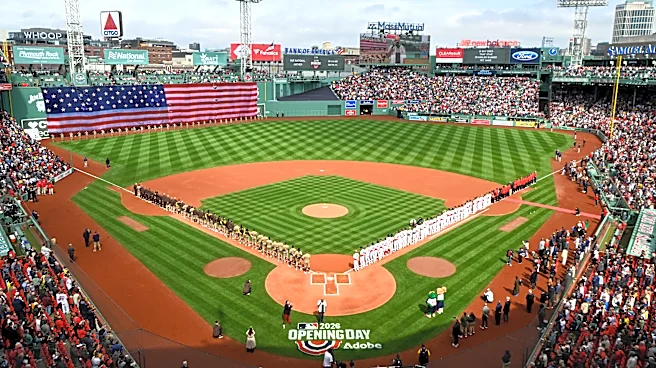
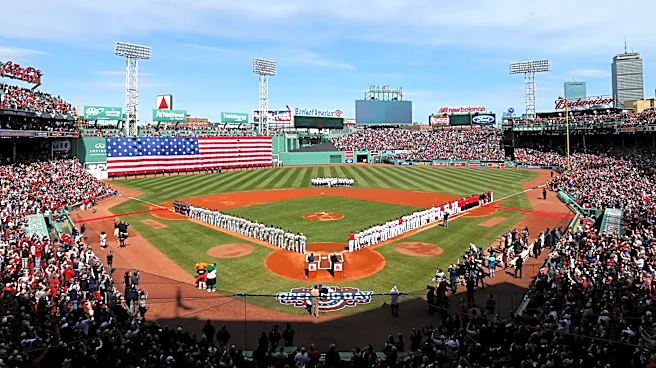
Massachusetts Governor Maura Healey and Boston Mayor Michelle Wu faced a negative reception at the Red Sox home opener. The event, which took place at Fenway Park, saw both politicians being booed by the crowd. This reaction was not entirely unexpected,
as similar incidents have occurred in the past, particularly with Mayor Wu, who has previously faced public disapproval at such events. The booing was described as overwhelming, indicating a significant level of dissatisfaction among the attendees. The presence of the politicians at the game was intended to be a public relations opportunity, but it instead highlighted the challenges they face in terms of public perception.
Why It's Important?
The incident underscores the complex relationship between public officials and their constituents, particularly in high-profile settings like sporting events. Such reactions can reflect broader public sentiment and dissatisfaction with political leadership. For Governor Healey and Mayor Wu, the booing at a major public event could signal challenges in their political careers, as it publicly showcases a lack of support. This kind of public disapproval can have implications for their ability to effectively govern and implement policies, as it may embolden opposition and complicate efforts to build consensus. Additionally, it highlights the risks politicians face when engaging in public appearances, where the reception can be unpredictable and potentially damaging.
What's Next?
Following the negative reception, both Governor Healey and Mayor Wu may need to reassess their public engagement strategies. They might consider focusing on addressing the concerns of their constituents more directly to improve public perception. This could involve increased community outreach and efforts to demonstrate responsiveness to public needs. Additionally, their teams may need to evaluate the potential risks and benefits of future public appearances, particularly in settings where they might face similar reactions. The incident could also prompt discussions within their administrations about how to better connect with and address the concerns of the public.