
What's Happening?
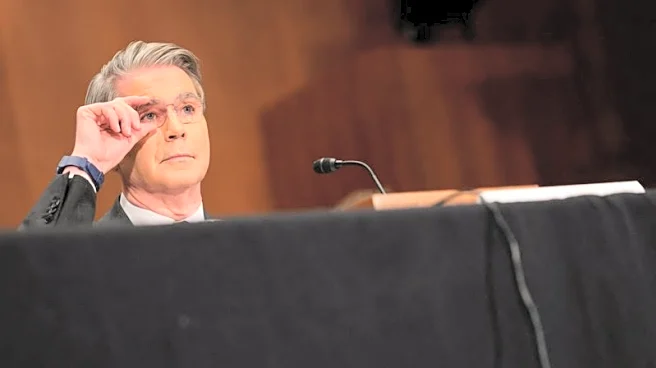
A U.S. District Judge, Lorna G. Schofield, has disqualified John Sarcone, the acting U.S. attorney for the Northern District of New York, from overseeing investigations into New York Attorney General Letitia
James. The judge ruled that Sarcone was serving unlawfully when he requested subpoenas related to lawsuits filed by James against President Trump and the National Rifle Association. The Department of Justice did not follow statutory procedures after judges declined to extend Sarcone's tenure, leading to his disqualification. James had challenged Sarcone's authority, claiming the investigations were part of a campaign against Trump's perceived enemies. The Justice Department maintains that Sarcone was appointed properly, but the judge found the appointment process violated federal law.
Why It's Important?
This ruling underscores the ongoing legal and political battles surrounding the Trump administration's appointments of U.S. attorneys. The decision highlights the importance of adhering to statutory procedures in federal appointments, which are designed to ensure checks and balances within the government. The disqualification of Sarcone could impact ongoing investigations and litigation involving high-profile figures like President Trump and the NRA. It also reflects broader concerns about the politicization of the Justice Department and the potential misuse of prosecutorial power for political ends. The ruling may embolden other legal challenges against similar appointments and actions by the administration.
What's Next?
The ruling may lead to further scrutiny of other federal appointments made during the Trump administration, particularly those that bypassed traditional confirmation processes. The Justice Department may appeal the decision or seek alternative legal strategies to continue its investigations. Meanwhile, Letitia James' office is likely to continue defending its litigation efforts against political interference. This case could set a precedent for future legal challenges regarding the appointment and authority of federal prosecutors, potentially influencing how such positions are filled and maintained in the future.